


What's Happening?
Germany is significantly increasing its military capabilities in response to the ongoing war in Ukraine and pressure from the United States for Europe to take more responsibility for its own defense. The conflict, which began with Russia's invasion of
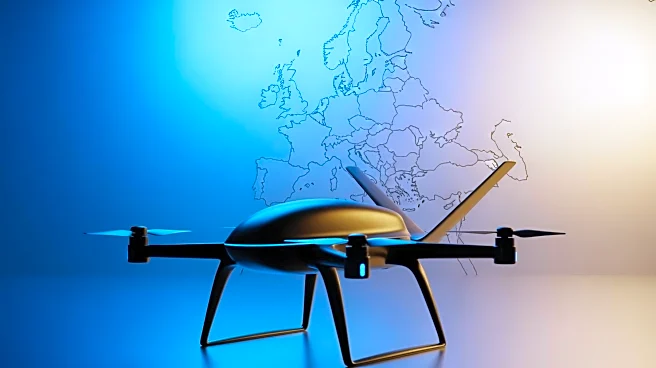
Ukraine, has prompted Germany to reconsider its post-Cold War pacifism. Historically, Germany reduced its defense spending, but the current geopolitical climate has led to a shift. The German military, known as the Bundeswehr, is undergoing a transformation with increased enlistments and investments in modern military technology, including drones and other advanced systems. Defense Minister Boris Pistorius has been instrumental in this shift, emphasizing the need for Germany to be prepared for potential conflicts by 2029. The German government has allocated a special fund to enhance its military capabilities, aiming to become a leading force within NATO in Europe.
Why It's Important?
The rearmament of Germany marks a significant shift in European defense dynamics, potentially altering the balance of power within NATO. As Germany strengthens its military, it could lead to a more self-reliant Europe, reducing dependency on the United States for security. This move is also a response to the perceived threat from Russia, which is reportedly rebuilding its military capabilities. The increased defense spending and military readiness could deter further aggression from Russia, contributing to regional stability. However, it also raises concerns about the resurgence of military nationalism in Germany, a country with a complex history regarding military power. The development could have economic implications as well, with increased defense contracts boosting the German defense industry.
What's Next?
Germany plans to continue its military buildup, with a target to be fully prepared for potential conflicts by 2029. This includes increasing the number of active-duty troops and investing in cutting-edge military technologies. The German government may also consider reintroducing the draft if volunteer enlistments do not meet targets. As Germany takes on a more prominent role in European defense, it may influence other European nations to follow suit, potentially leading to a more robust and independent European defense framework. The U.S. is likely to continue encouraging Europe to shoulder more of its defense responsibilities, which could lead to further strategic realignments within NATO.
Beyond the Headlines
Germany's rearmament efforts highlight the broader geopolitical shifts occurring in response to the Ukraine conflict. The move reflects a growing recognition among European nations of the need for greater self-reliance in defense matters. It also underscores the challenges of balancing historical sensitivities with contemporary security needs. The increased focus on military readiness may also prompt discussions about the ethical implications of advanced military technologies, such as drones and autonomous systems. Additionally, the potential reintroduction of the draft could spark debates about civic duty and national identity in Germany.