






What's Happening?
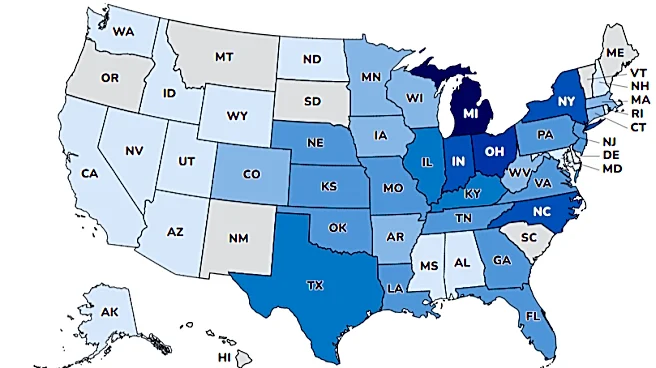
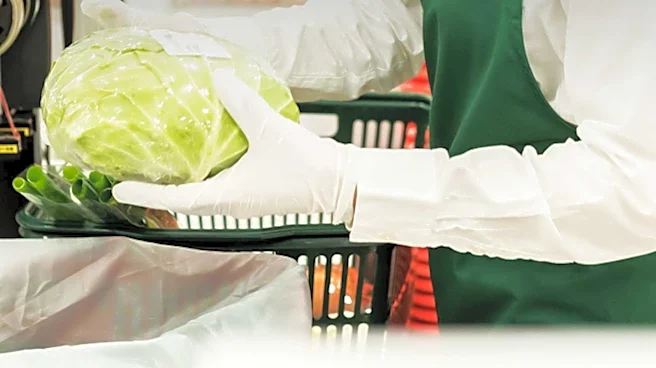
The United States is experiencing its largest-ever outbreak of cyclospora, a parasite that spreads through contaminated food and water, primarily affecting fresh produce. The outbreak has led to widespread cases of diarrhea, with symptoms lasting up to a month
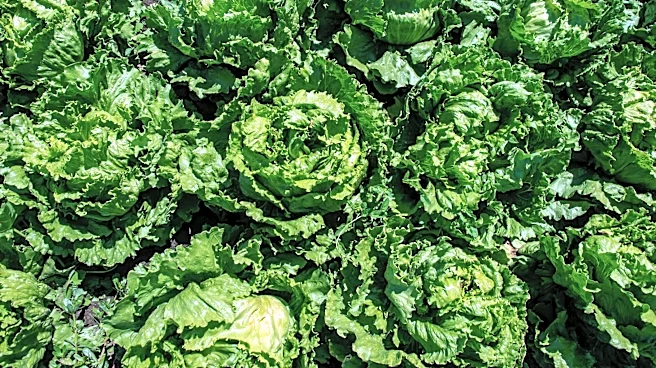
if untreated. The outbreak has been linked to iceberg lettuce, particularly from Taco Bell locations in several states. The situation has raised public awareness about food safety and the regulatory measures in place to prevent such outbreaks. The outbreak has also highlighted the challenges in tracing the source of contamination due to the parasite's incubation period.
Why It's Important?
The cyclospora outbreak underscores the critical importance of food safety and the need for robust regulatory frameworks to prevent such incidents. The outbreak has affected consumer confidence in fresh produce and has had economic implications for businesses involved in the supply chain. The situation has also brought attention to recent changes in regulatory practices, including reduced federal surveillance of foodborne pathogens. This has raised concerns about the ability of current systems to effectively monitor and respond to food safety threats, potentially leading to calls for policy changes and increased funding for food safety programs.
What's Next?
In response to the outbreak, there may be increased scrutiny of food safety practices and regulatory measures. Businesses involved in the supply chain may implement stricter quality control measures to restore consumer confidence. The outbreak could also prompt discussions among policymakers about the need for enhanced surveillance and regulatory oversight to prevent future incidents. Public health campaigns may be launched to educate consumers about safe food handling practices. Additionally, the situation may lead to legal and financial repercussions for companies found to be responsible for the outbreak.