



What's Happening?
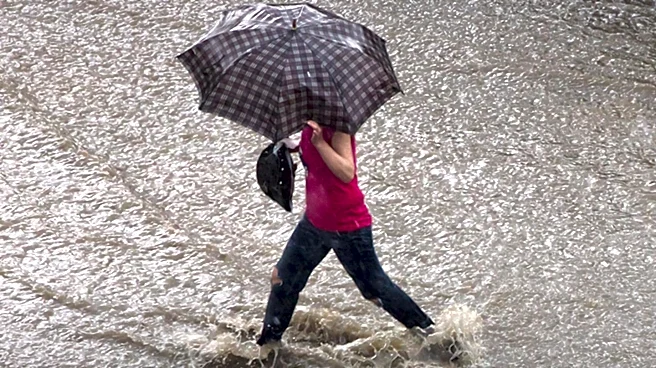
New Mexico recently received much-needed rainfall across the state, bringing relief to parched landscapes and residents after what officials described as the hottest summer on record since 1892. The rain, while welcomed, also led to flooding in several
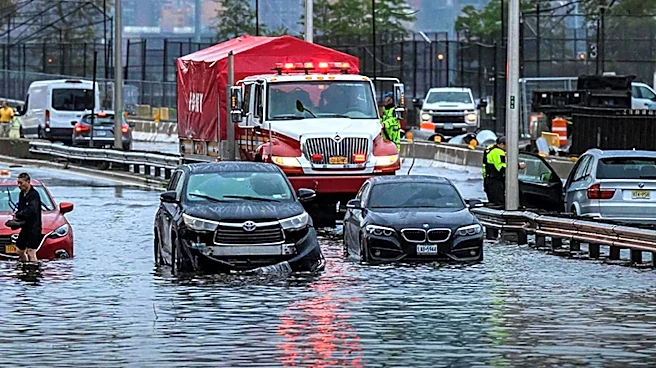
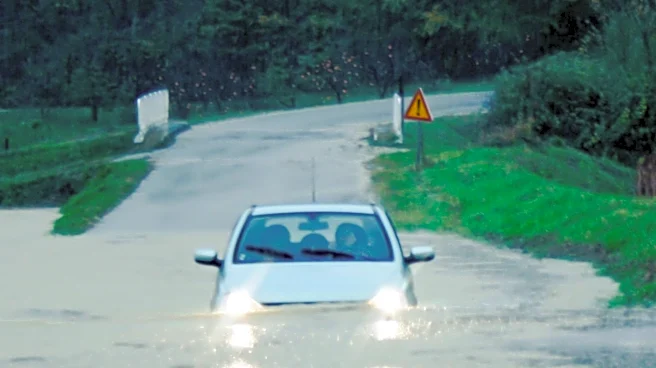
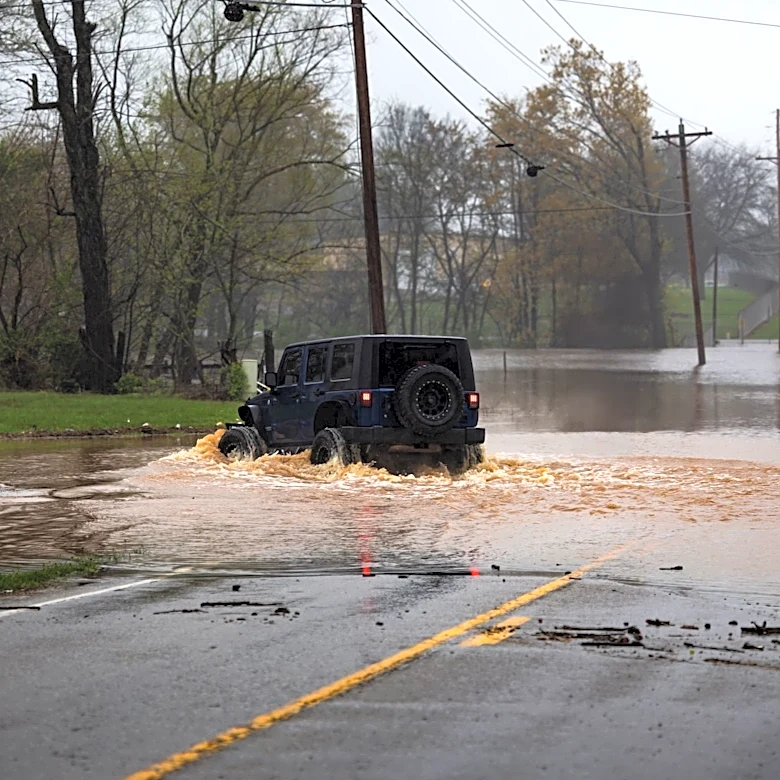
areas, including Gallup, where videos showed roads covered in water and hazardous driving conditions. In the Albuquerque metro area, heavy rain provided a rare soaking. The Albuquerque Bernalillo County Water Utility Authority has urged residents to turn off sprinkler systems, allowing natural rainfall to hydrate lawns and landscapes. Despite this recent precipitation, meteorologists indicate that additional moisture is still required for the current monsoon season to reach average levels before its official end on September 30.
Why It's Important?
This rainfall event is significant for New Mexico, a state frequently impacted by drought conditions. The relief from the prolonged dry spell and record-breaking summer heat is crucial for the state's ecosystems, agricultural production, and water resources, including local waterways. However, the accompanying flooding highlights the dual challenge faced by arid regions: the need for water versus the risks associated with intense, short-duration rainfall events. The call from the Water Utility Authority to conserve water by turning off sprinklers underscores the importance of adapting water management practices to natural weather patterns, even as the state grapples with the broader implications of climate change and its effect on monsoon seasons. The balance between drought relief and flood preparedness remains a critical concern for public safety and infrastructure.
What's Next?
As New Mexico approaches the end of its monsoon season on September 30, meteorologists will continue to monitor rainfall levels to determine if the state can achieve an average monsoon season. Local authorities and emergency services will likely remain on alert for potential flash flooding, especially in areas prone to rapid water accumulation due to intense rainfall. The recent events may prompt further discussions and public awareness campaigns regarding flood safety, particularly concerning driving through flooded roadways, which was observed in Gallup. Additionally, water utility authorities may continue to advise residents on water conservation strategies that leverage natural precipitation, aiming to optimize water usage and reduce strain on municipal water supplies.
Beyond the Headlines
The recent weather patterns in New Mexico underscore a growing challenge for arid and semi-arid regions: managing the extremes of climate change, which can manifest as both prolonged droughts and intense, localized flooding. This situation highlights the need for robust and adaptive infrastructure planning that can handle both water scarcity and sudden deluges. The public's response, from welcoming the rain to navigating floodwaters, reflects a broader societal adaptation to changing environmental conditions. Furthermore, the emphasis on water conservation even during rainfall events points to a long-term shift in water management philosophy, moving towards greater reliance on natural processes and more efficient use of resources in the face of unpredictable weather patterns. This could lead to innovations in urban planning, water harvesting, and early warning systems for flash floods.