






What's Happening?
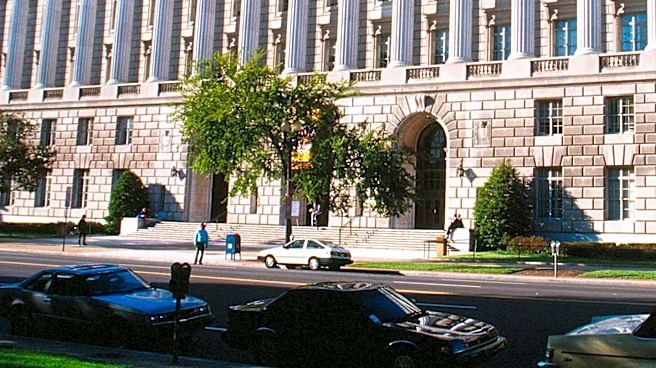
The U.S. Internal Revenue Service (IRS) has postponed the filing and payment deadlines for 2026 taxes for residents and businesses in 22 Nebraska counties. This relief is a direct response to multiple state disaster declarations issued by Governor Jim
Pillen due to wildfires between March and June, and severe storms in May. Affected taxpayers in Arthur, Buffalo, Custer, Dawes, Dawson, Fillmore, Frontier, Gage, Garden, Grant, Howard, Jefferson, Keith, Lincoln, Morrill, Nemaha, Red Willow, Richardson, Saunders, Sioux, Thayer, and Thurston counties now have until February 1, 2027, to file their tax returns and pay any taxes that were originally due during the disaster periods. This marks the first time Nebraska has requested such relief under new federal legislation that allows the IRS to grant delays based on a governor-declared disaster or emergency, rather than requiring a federal declaration.
Why It's Important?
This tax relief is critically important for the affected Nebraska communities, providing a much-needed reprieve for individuals and businesses grappling with the aftermath of natural disasters. Wildfires and severe storms can cause extensive damage, disrupting daily life, destroying property, and impacting livelihoods. By extending tax deadlines, the IRS helps alleviate immediate financial pressure, allowing residents and businesses to focus their resources and energy on recovery and rebuilding efforts. This measure prevents additional penalties for those who are already facing significant challenges, contributing to the economic stability and resilience of these counties. Governor Pillen emphasized that this determination offers a 'little respite' to those who have experienced losses, enabling them to meet their tax obligations without incurring further burdens.
What's Next?
Residents and businesses in the designated 22 counties should utilize this extended deadline to organize their financial records and prepare their tax filings. The IRS has indicated that additional counties could be added to the list of disaster areas, making more residents eligible for similar postponements. Taxpayers who receive late filing or payment notices during the postponement period are advised to contact the IRS to have the penalties abated. This relief mechanism, now streamlined by federal legislation allowing for governor-declared disaster-based delays, sets a precedent for quicker federal response to state-level emergencies. This could lead to more efficient and timely tax relief in future disaster scenarios across the nation.
Beyond the Headlines
The new federal legislation that allows the IRS to grant tax delays based on governor-declared disasters represents a significant policy evolution. Previously, a federal declaration, which often takes longer, was required. This change streamlines the process, enabling a more rapid and localized response to natural catastrophes. It reflects a growing understanding of the immediate and profound impact of disasters on local economies and individual financial well-being. This proactive approach by the federal government, in collaboration with state authorities, enhances the effectiveness of disaster recovery efforts by addressing financial stressors promptly. It also highlights the increasing frequency and intensity of natural disasters, necessitating more flexible and responsive governmental support mechanisms.