






What's Happening?
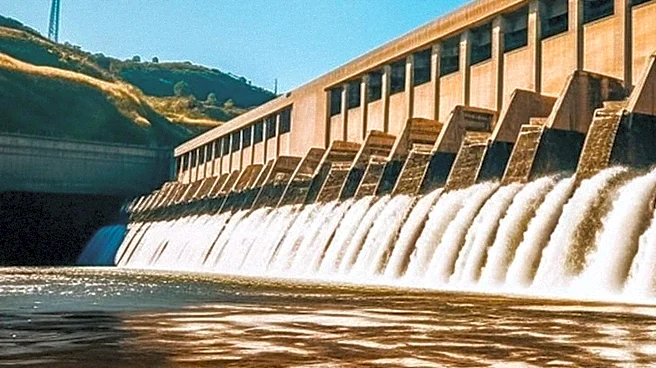
More than 30 community water systems in Minnesota were targeted by a coordinated cyberattack on July 26 and 27, affecting their operational technology. The attack led to the loss of remote control for several systems, prompting operators to contain the intrusion.
The incident has raised questions about the security of Rockwell Automation MicroLogix 1400 controllers, which may have been a common vulnerability. The Cybersecurity and Infrastructure Security Agency (CISA) has issued advisories detailing the exfiltration of PLC project files and the need for current offline project files to restore operations.
Why It's Important?
The cyberattack on Minnesota's water systems highlights the critical need for robust cybersecurity measures in protecting essential infrastructure. As operational technology becomes increasingly interconnected, the risk of cyber threats grows, posing significant challenges for utilities and other critical sectors. The incident underscores the importance of maintaining up-to-date security protocols and ensuring that backup systems are in place to restore operations in the event of an attack. Addressing these vulnerabilities is crucial for safeguarding public safety and maintaining the reliability of essential services.
What's Next?
In response to the attack, utilities and infrastructure operators will need to review and strengthen their cybersecurity measures. This may involve conducting thorough assessments of existing systems, implementing advanced security technologies, and enhancing staff training on cybersecurity best practices. Collaboration between government agencies, industry leaders, and cybersecurity experts will be essential in developing strategies to protect critical infrastructure from future threats. The incident may also prompt regulatory changes to ensure that utilities are adequately prepared to respond to cyber incidents.