




What's Happening?
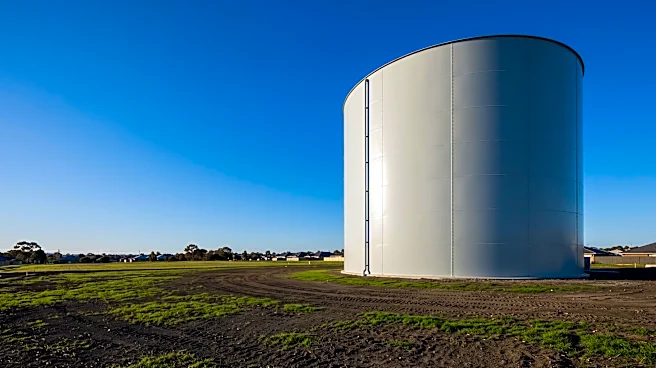
The Joliet City Council has approved a $41 million bid for the construction of four new water tanks, a cost that is double the initial estimate and represents a $20 million difference. The contract was awarded to Fisher Tank Co., which submitted a bid of just
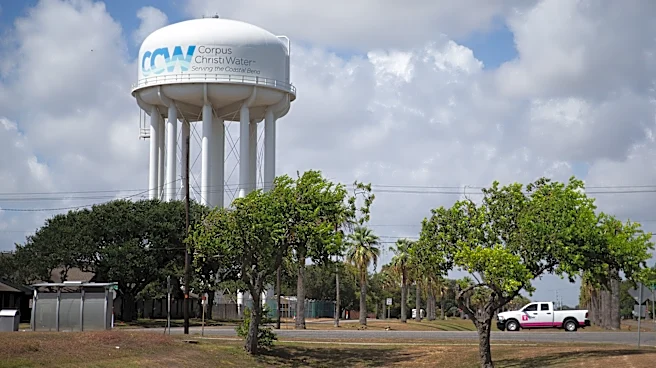
over $41 million, narrowly beating Chicago Bridge & Iron's bid of $41.8 million. The unanimous vote followed discussions in previous meetings where officials addressed the significant cost discrepancy. According to Utilities Director Allison Swisher, the original estimate was flawed because it did not account for the city's specific project requirements, including an additional 250,000 pounds of steel. Councilman Larry Hug, who chairs the Public Service Committee, noted that the issue was with the estimate, not the competitive bids. These tanks are crucial for Joliet's plan to begin using Lake Michigan water by 2030, providing a two-day reserve in case of pipeline disruptions. The tanks will be situated at Black and County Line roads, on Washington Street, and at McDonough Road and Stryker Avenue.
Why It's Important?
This significant cost overrun for essential infrastructure highlights potential challenges in public project planning and budgeting. The $20 million difference could impact Joliet's municipal finances, potentially leading to higher water rates for residents or reallocations from other city projects. The urgency to complete the Lake Michigan water project by 2030 underscores the city's commitment to securing a reliable water source, which is vital for public health and economic development. The reliance on a specialized industry with only two major bidders also points to potential market limitations that can influence project costs. Ensuring a stable water supply is critical for attracting and retaining businesses and residents, making the successful completion of this project paramount despite the increased expenditure. The incident also raises questions about the accuracy of initial engineering estimates for large-scale public works.
What's Next?
Construction of the four water tanks is expected to commence soon, as the project is deemed to be on a critical path for Joliet to receive Lake Michigan water by the 2030 deadline. City officials have indicated that a rebid would likely not result in different pricing, suggesting that the current contract will proceed as planned. The city will need to manage the financial implications of the increased cost, which may involve reviewing its budget, exploring additional funding sources, or adjusting water rates. Future public works projects in Joliet may see a more rigorous review process for initial cost estimates to prevent similar discrepancies. The successful integration of these tanks will be a key step in Joliet's long-term water strategy, ensuring water security for its growing population and industrial needs.
Beyond the Headlines
The substantial cost increase for Joliet's water tank project could prompt a broader reevaluation of how public infrastructure projects are estimated and managed across municipalities. It highlights the complexities of large-scale engineering projects, where initial assessments can significantly diverge from actual market costs and specific requirements. This situation may lead to calls for greater transparency and accountability in the estimation process, potentially involving independent third-party reviews for major projects. Furthermore, the reliance on Lake Michigan water by 2030 signifies a strategic shift in Joliet's resource management, moving away from potentially strained local sources. This transition has long-term environmental and economic implications, ensuring sustainability but also requiring substantial upfront investment and careful planning to mitigate future risks and costs.