





What's Happening?
Iran is contemplating participation in a second round of talks with the United States, as tensions rise over a U.S. naval blockade. The blockade, which Iran claims violates a temporary ceasefire, has led to diplomatic efforts by Pakistan to mediate the situation.
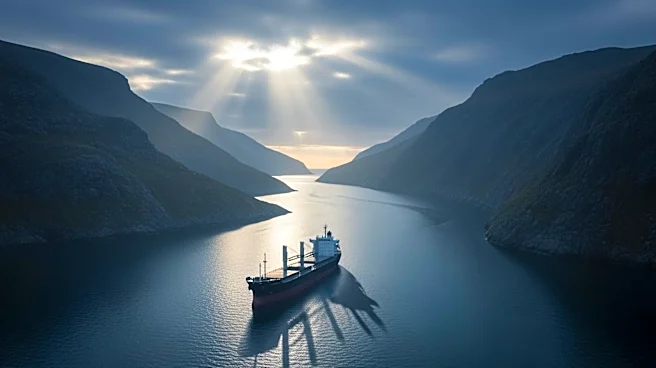
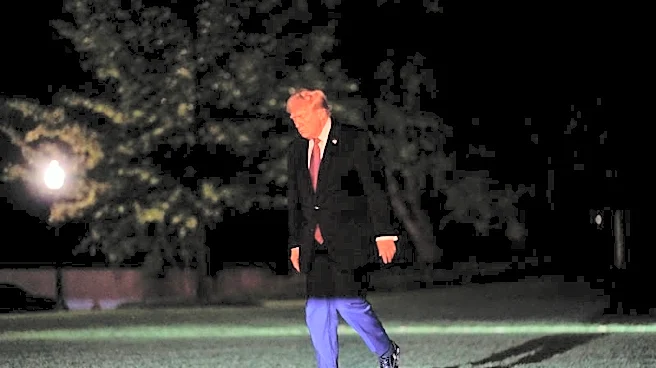
President Trump has dismissed concerns about the talks collapsing, with a U.S. delegation already en route to Pakistan. The discussions aim to address naval restrictions and ensure freedom of commercial shipping in the Strait of Hormuz. Trump has expressed willingness to meet Iranian leaders if progress is made, emphasizing the need for Iran to abandon nuclear weapons pursuits.
Why It's Important?
The potential talks between Iran and the U.S. are crucial for easing geopolitical tensions in the Middle East, particularly concerning the Strait of Hormuz, a vital route for global oil shipments. Successful negotiations could lead to reduced military confrontations and improved diplomatic relations. However, the situation remains precarious, with the risk of escalation if talks fail. The involvement of Pakistan as a mediator highlights the complexity of regional dynamics and the importance of international cooperation in resolving such disputes. The outcome of these talks could significantly impact global energy markets and regional stability.
What's Next?
If Iran agrees to participate, the talks could lead to a temporary resolution of the naval blockade issue, potentially extending the ceasefire. The U.S. delegation's discussions in Pakistan will be pivotal in shaping the future of U.S.-Iran relations. Should the talks succeed, there may be further diplomatic engagements to address broader issues, including Iran's nuclear program. Conversely, failure to reach an agreement could result in heightened military tensions and economic sanctions. The international community will closely monitor these developments, given their implications for global security and trade.