



What's Happening?
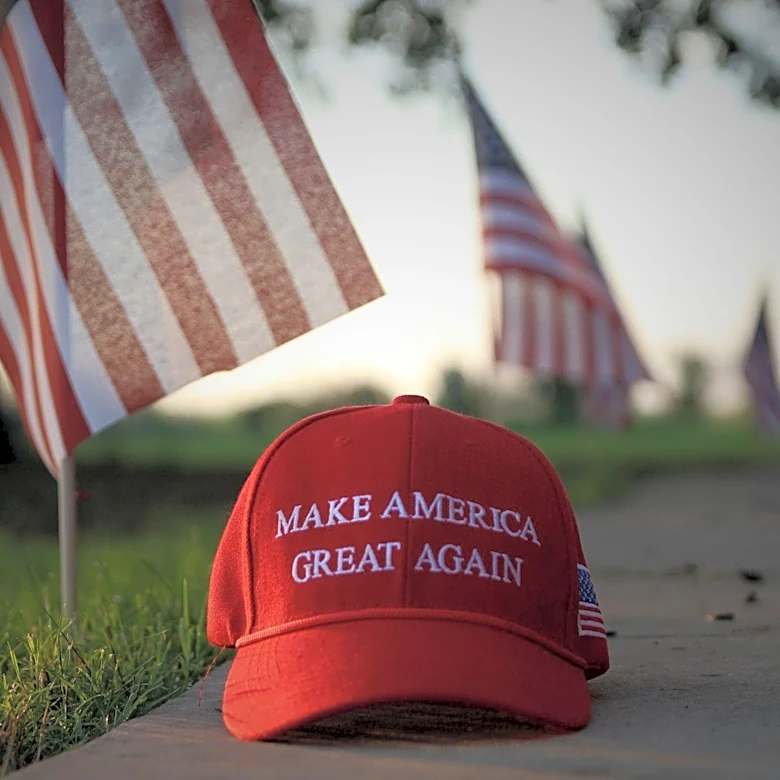
Defense Secretary Pete Hegseth has been actively campaigning for Republican candidates, a move that has drawn significant criticism for breaching traditional military decorum. Most recently, Hegseth campaigned in Iowa for Representative Zach Nunn, a vulnerable
House Republican, at a veteran-focused fundraising event. During this appearance, Hegseth endorsed Nunn's candidacy and criticized previous Democratic administrations. This follows a similar instance a few months prior when Hegseth campaigned in Kentucky against Republican Rep. Thomas Massie. Historically, defense secretaries and other Pentagon officials have avoided such partisan political activities to maintain an appearance of neutrality and non-partisanship. Hegseth's actions are seen as a departure from this long-standing practice, raising concerns about the politicization of the Defense Department.
Why It's Important?
The involvement of Defense Secretary Pete Hegseth in partisan campaigning is important because it sets a new precedent for the politicization of high-ranking military officials. Traditionally, the role of the Defense Secretary is to remain apolitical to ensure the integrity and credibility of the military establishment. By actively campaigning and criticizing political opponents, Hegseth risks undermining public trust in the Defense Department and blurring the lines between military leadership and political partisanship. This could have long-term implications for how future defense secretaries operate and could lead to increased political polarization within institutions that are meant to serve all Americans, regardless of political affiliation. The actions also raise questions about the appropriate use of a Cabinet secretary's time and resources, especially given ongoing national security concerns.
What's Next?
As Election Day approaches, it is anticipated that other Cabinet secretaries, including Health and Human Services Secretary Robert F. Kennedy Jr. and Attorney General Todd Blanche, may also increase their involvement in political campaigning. This trend suggests a potential shift in the traditional boundaries between Cabinet roles and partisan politics. The continued engagement of high-level officials like Defense Secretary Pete Hegseth in campaign activities is likely to provoke further debate and criticism from political commentators, opposition parties, and potentially even within their own ranks. This could lead to increased scrutiny of ethical guidelines for Cabinet members and calls for clearer distinctions between official duties and political endorsements. The long-term impact could be a re-evaluation of the norms governing the conduct of Cabinet secretaries during election cycles.
Beyond the Headlines
The actions of Defense Secretary Pete Hegseth and other Cabinet members engaging in partisan campaigning highlight a deeper erosion of institutional norms within the U.S. government. The traditional separation of military and political spheres is crucial for maintaining a non-partisan defense force that serves the nation rather than a specific political agenda. Hegseth's approach, characterized as a 'breach of military decorum,' could normalize such behavior, leading to a more politicized military leadership in the future. This shift could have profound ethical implications, potentially compromising the perceived impartiality of the armed forces and making it more difficult for the public to distinguish between national security interests and partisan political objectives. The long-term consequence could be a weakening of democratic institutions and a decline in public trust in government agencies.