







What's Happening?
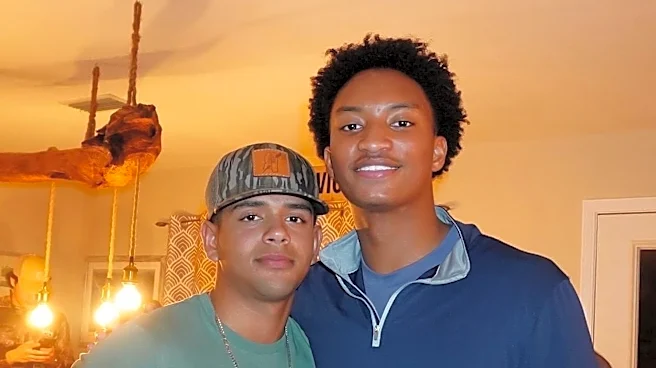
The investigation into the death of Nolan Wells, an 18-year-old promising football player, is ongoing as authorities caution against rushing the process. Wells was found dead two days after disappearing during a Fourth of July boating trip. Jackson County
Sheriff John Ledbetter emphasized the need for a thorough investigation, despite public demand for quick answers. The cause of death is suspected to be drowning, but autopsy results are pending. Civil rights lawyer Ben Crump has called for an independent autopsy, citing concerns about potential foul play. The case has drawn attention due to the mysterious circumstances surrounding Wells' disappearance and death, with conflicting accounts from friends and family members.
Why It's Important?
The case highlights broader issues of trust and transparency in investigations involving young Black Americans. The involvement of high-profile civil rights figures like Ben Crump underscores the community's demand for accountability and thoroughness in such cases. The outcome of this investigation could impact public confidence in law enforcement and the justice system, particularly in cases involving minority communities. Additionally, the case has sparked discussions about safety and responsibility during recreational activities, especially involving young people.
What's Next?
Authorities are expected to release the autopsy results, which could provide clarity on the cause of death. The independent autopsy, once conducted, may also offer additional insights. Public and media scrutiny is likely to continue, with potential implications for local law enforcement practices. The case may prompt further dialogue on racial disparities in investigative processes and the need for systemic reforms.
Beyond the Headlines
The case of Nolan Wells may have long-term implications for how similar cases are handled in the future. It raises questions about the adequacy of current investigative protocols and the role of independent oversight in ensuring justice. The situation also reflects ongoing societal challenges related to race, justice, and community relations, potentially influencing future policy discussions and reforms.