







What's Happening?
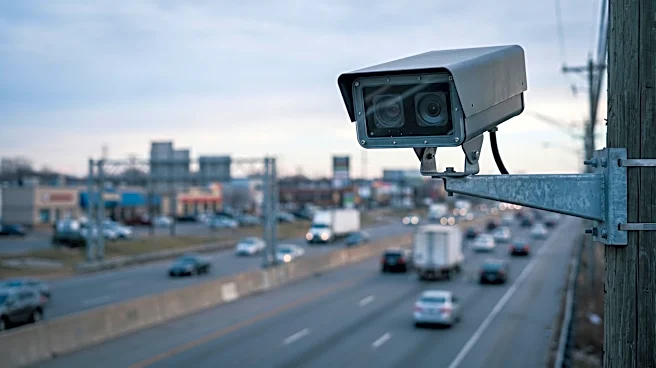
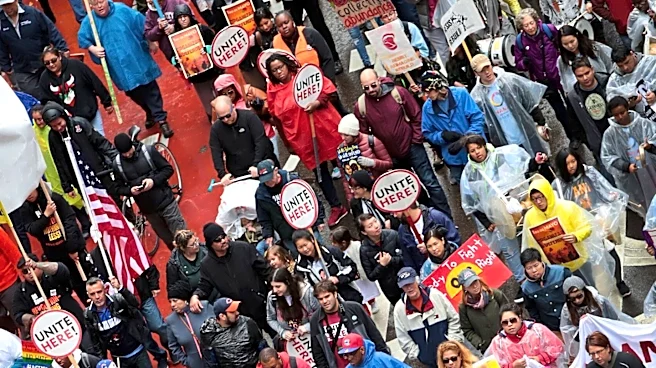
Protesters in San Jose are renewing calls for the city to dismantle its network of approximately 500 automated license plate reading (ALPR) cameras, known as Flock cameras. The demonstration, held at City Hall, preceded a key City Council committee meeting
tasked with determining the future of these cameras in San Jose. Critics argue that the system constitutes a dangerous invasion of privacy and is susceptible to abuse by law enforcement. This concern intensified following reports of a police officer being fired for improperly accessing ALPR data to assist a family member in a domestic violence case. Community groups, including the Electronic Frontier Foundation (EFF) and the ACLU of Northern California, have filed a lawsuit against San Jose, alleging that the system, which recorded over 250,000 warrantless searches by the San Jose Police Department in a single year, violates privacy rights. Vice Mayor Pam Foley acknowledged the need for provisions to create a safer system with more verifications to rebuild community trust. While officials are considering revamping the system with increased scrutiny, protesters are advocating for its complete shutdown.
Why It's Important?
The debate surrounding San Jose's Flock camera network highlights a critical tension between public safety and individual privacy rights in the digital age. The widespread deployment of ALPR technology, while touted by supporters as an invaluable tool for law enforcement in solving crimes and enhancing safety, raises significant civil liberties concerns. The reported misuse of ALPR data by a police officer underscores the potential for abuse and the lack of transparency in how such data is managed and accessed. This situation could set a precedent for how other U.S. cities approach the implementation and oversight of surveillance technologies. The outcome in San Jose may influence policy decisions regarding data retention, access protocols, and accountability mechanisms for ALPR systems nationwide. For residents, the decision will directly impact their sense of privacy and trust in local government and law enforcement. For technology providers, it could shape the market for surveillance tools and the regulatory environment in which they operate.
What's Next?
The City Council committee has instructed city staff to develop a plan for revamping the ALPR system. This plan will likely include proposals for increased scrutiny, verification processes, and potentially new rules for data access and disclosure. Following the development of this plan, public hearings will be conducted by the full City Council. These hearings will provide an opportunity for community members, privacy advocates, and law enforcement officials to present their arguments and concerns before any final decisions are made. The ongoing lawsuit filed by community groups against the city will also continue to unfold, potentially influencing the council's deliberations and ultimate decision. The outcome could range from a complete shutdown of the camera network, as demanded by protesters, to a revised system with stricter oversight, or even a continuation of the current system with minor modifications. The decision will be closely watched by other municipalities considering similar surveillance technologies.
Beyond the Headlines
The controversy over San Jose's Flock camera network extends beyond immediate privacy concerns, touching upon broader societal implications of pervasive surveillance. The concept of 'surveillance creep,' where technologies initially deployed for specific purposes gradually expand their scope and application, is a central theme. The incident involving the police officer's misuse of data highlights the ethical challenges inherent in granting extensive data access to individuals, regardless of their position. This situation also brings to light the power dynamics between government entities and citizens, particularly concerning data ownership and control. The debate in San Jose reflects a national conversation about the appropriate balance between security measures and fundamental rights in an increasingly data-driven world. The long-term implications could include shifts in public perception of privacy, the development of new legal frameworks for data governance, and potentially a re-evaluation of the social contract between citizens and their governing institutions regarding technological oversight.