


What's Happening?
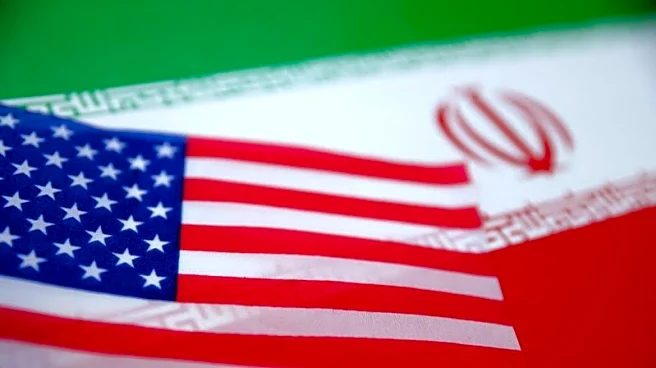
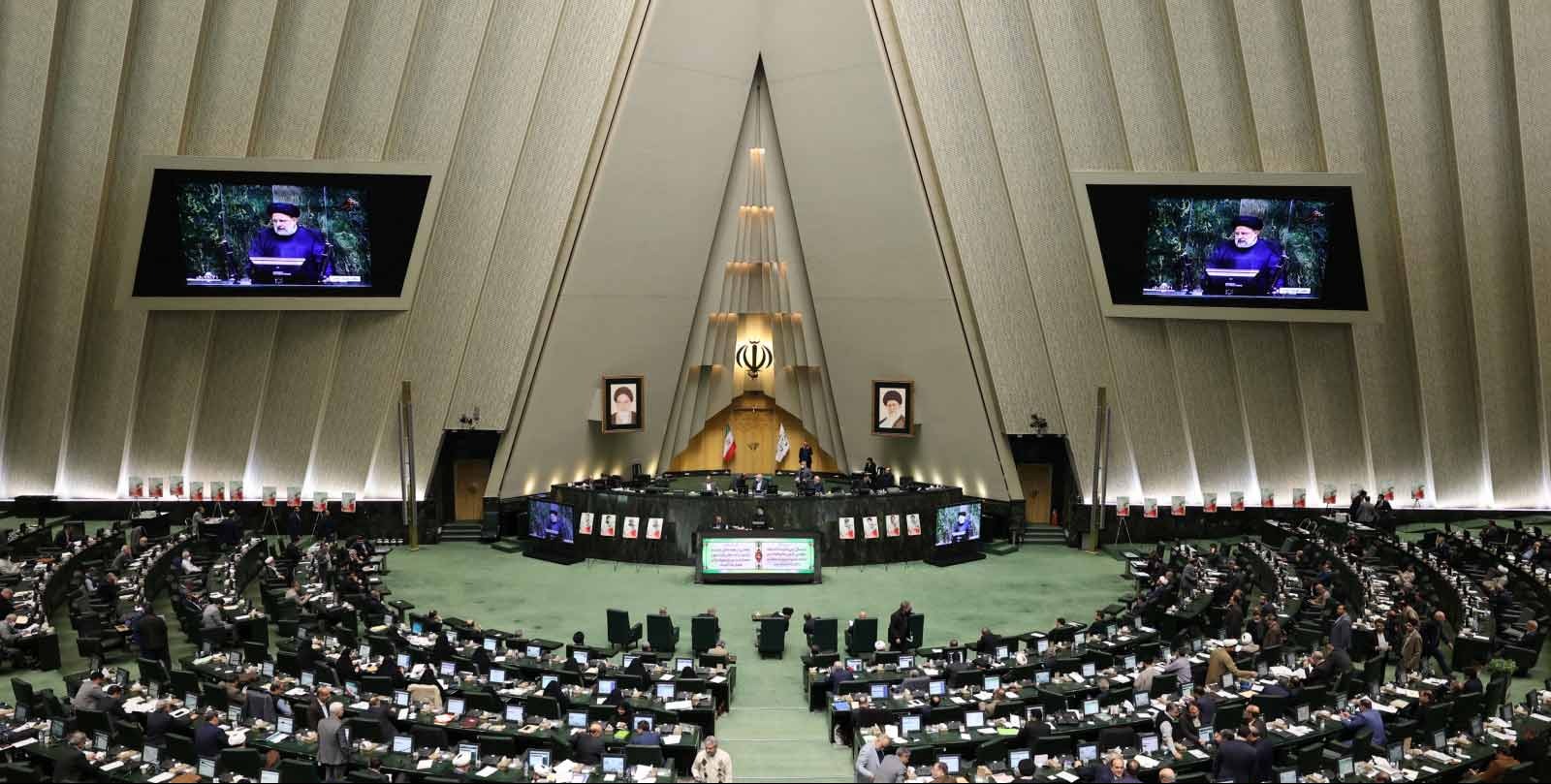
Tensions between the United States and Iran have intensified as the U.S. prepares for an emergency meeting at the United Nations Security Council. This development follows recent U.S. decisions to withdraw some personnel from Middle Eastern bases and President
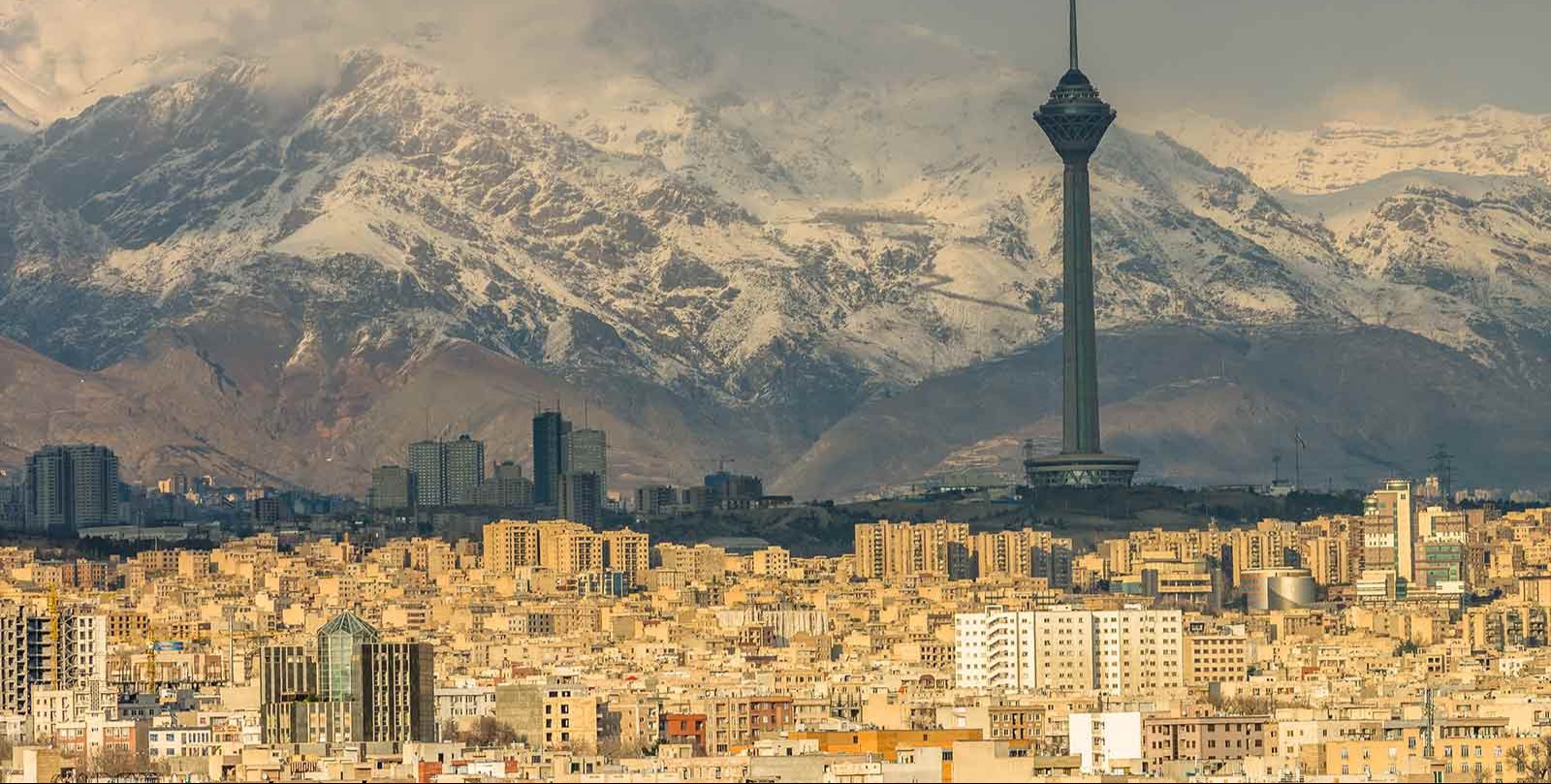
Trump's threats to intervene in Iran's internal protests. Despite reports suggesting a decrease in violence by Iranian authorities, President Trump has not ruled out the possibility of U.S. military action. The situation remains volatile, with both internal and external pressures on the Iranian regime contributing to the heightened state of affairs.
Why It's Important?
The ongoing tensions between the U.S. and Iran have significant implications for international relations and regional stability in the Middle East. The potential for military conflict could disrupt global oil markets, affecting energy prices and economic stability worldwide. Additionally, the situation poses a challenge for U.S. foreign policy, as it navigates the complexities of supporting democratic movements while avoiding direct military confrontation. The outcome of the UN Security Council meeting could influence future diplomatic or military actions, impacting both regional allies and adversaries.
What's Next?
The emergency UN Security Council meeting will be a critical juncture in determining the international community's response to the U.S.-Iran tensions. Potential outcomes could include increased diplomatic efforts to de-escalate the situation or, conversely, a hardening of positions that might lead to further conflict. Key stakeholders, including U.S. allies in the region, will be closely monitoring the developments, as any escalation could have far-reaching consequences for regional security and global economic stability.