

What's Happening?
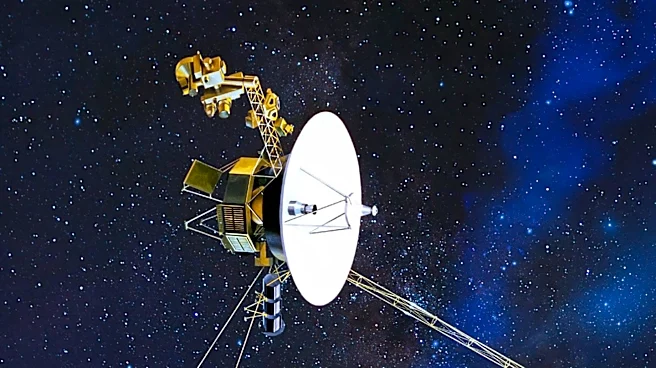
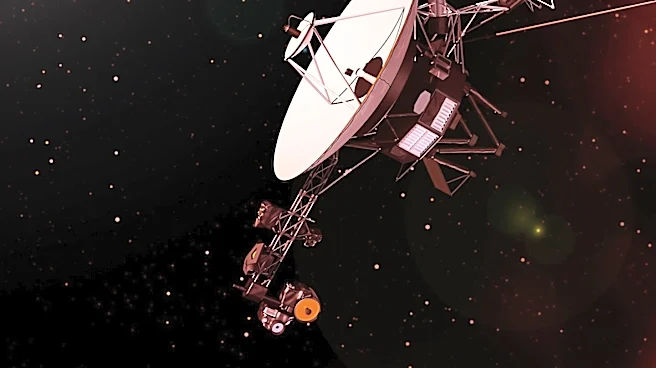
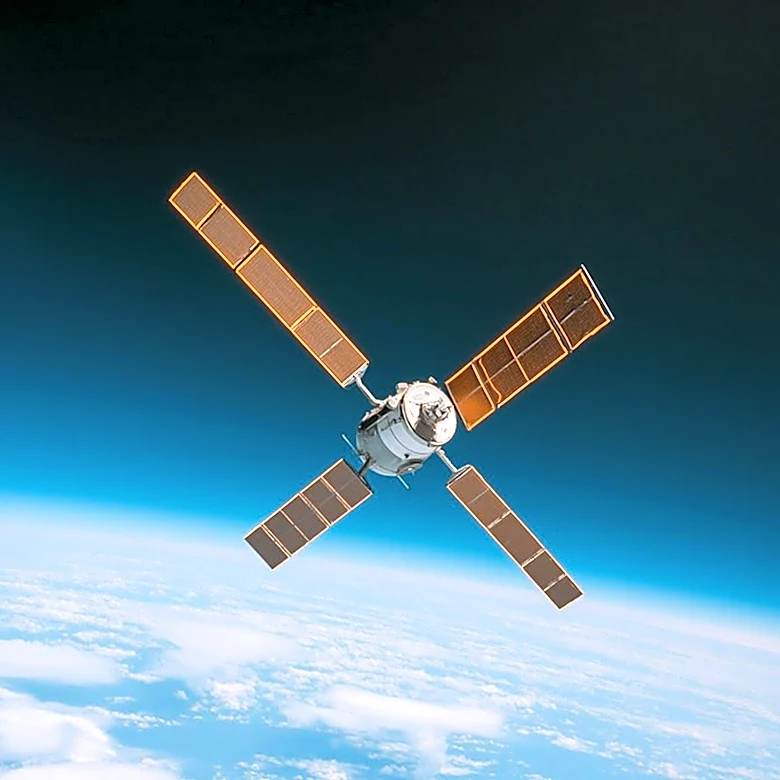
Voyager 1, a spacecraft launched by NASA in 1977, continues to operate in interstellar space using technology from the 1970s. The spacecraft is controlled by computers that process approximately 8,000 instructions per second, a stark contrast to modern
smartphones that process over 14 billion instructions per second. Despite this technological gap, Voyager 1's computers have been remarkably reliable, maintaining the spacecraft's operations and returning scientific data from beyond the solar system. The spacecraft's systems are designed for specific tasks, such as interpreting commands from Earth, maintaining orientation, and managing data collection. This specialized design has allowed Voyager 1 to function effectively for nearly half a century, even as it travels more than 25 billion kilometers from Earth.
Why It's Important?
The continued operation of Voyager 1 highlights the durability and efficiency of older technology in extreme environments. While modern devices boast superior processing power, they are not necessarily suited for long-term missions in space. Voyager 1's success underscores the importance of designing technology that prioritizes reliability and adaptability over sheer computational speed. This has implications for future space missions, where the ability to withstand harsh conditions and perform specific tasks over extended periods is crucial. The mission also serves as a testament to the foresight of engineers who anticipated the need for reprogrammability and redundancy, ensuring the spacecraft could adapt to new challenges and continue its mission long after its launch.
What's Next?
As Voyager 1 continues its journey through interstellar space, its mission is constrained by diminishing electrical power from its radioisotope generators. NASA engineers are tasked with managing the spacecraft's power consumption to prolong its operational life. This involves turning off non-essential systems and instruments to conserve energy. The spacecraft's ability to send data back to Earth will eventually cease as power levels drop, but until then, it remains a valuable source of information about the outer reaches of our solar system and beyond. The lessons learned from Voyager 1's design and operation will inform the development of future spacecraft, particularly those intended for long-duration missions in deep space.
Beyond the Headlines
Voyager 1's journey offers insights into the evolution of space technology and the challenges of long-term space exploration. The mission demonstrates the potential for older, simpler technology to achieve remarkable feats when designed with specific goals in mind. It also raises questions about the sustainability of current technological trends, which often prioritize rapid advancements over long-term reliability. As space exploration continues to expand, balancing innovation with durability will be essential to ensure the success of future missions. Voyager 1's legacy serves as a reminder of the enduring value of thoughtful engineering and the potential for human ingenuity to overcome the limitations of technology.