





What's Happening?
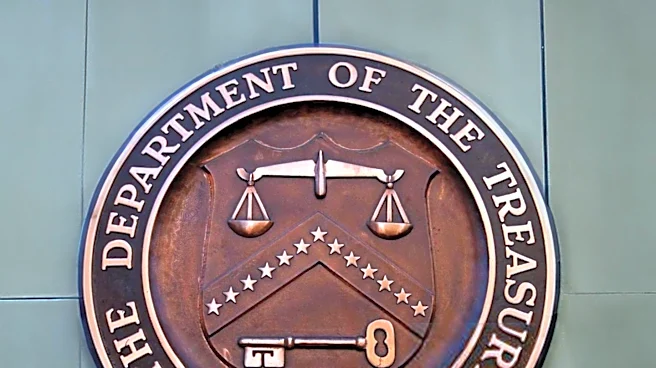
The U.S. Treasury Department has imposed sanctions on a charity organization and a smuggling network with ties to the Lebanon-based Hezbollah terror group. The sanctioned charity, Wa Ta’awanu Association, is accused of providing cover for Hezbollah's
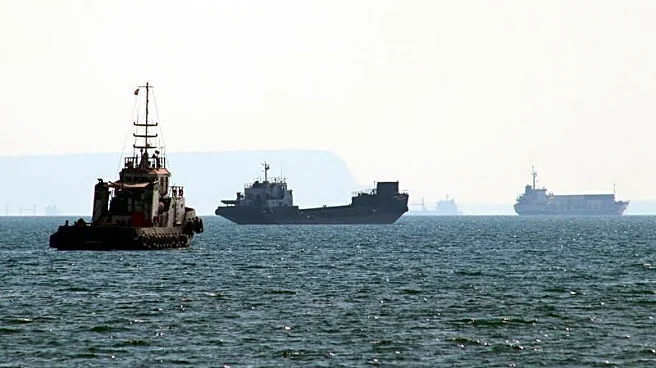
activities under the guise of delivering humanitarian services. The Treasury Department stated that this action exposes Hezbollah's continued exploitation of civilian charitable organizations and its efforts to present itself as a humanitarian aid provider. Additionally, the U.S. government designated members of a gold and cash smuggling network operating out of Lebanon and Turkey, which is reportedly run by Hezbollah and Iran’s Islamic Revolutionary Guard Corps-Qods Force. This network includes Lebanon-based Gold Global Company and its owner, Hassan Khechen, along with his brother Ibrahim Khechen, who were designated for transferring funds from the IRGC to Hezbollah. A Turkey-based business controlled by Hassan Khechen, Sankari Gold Kuyumculuk Ticaret Limited Sirketi, was also sanctioned for assisting in moving gold bullion and cash from Africa.
Why It's Important?
These sanctions are significant as they aim to disrupt Hezbollah's illicit financing networks and counter Iran's attempts to exert influence in the Middle East through proxy groups. According to U.S. Treasury Secretary Scott Bessent, the Iranian regime’s efforts to infringe on Lebanon’s sovereignty through terror proxies like Hezbollah will not be tolerated, and the U.S. government will continue to disrupt Iran’s funding of its proxies. The action also supports broader efforts by Washington, Israel, and Lebanon to disarm Hezbollah and move the group away from Israel’s border to prevent further conflict. By targeting entities that provide financial and logistical support, the U.S. seeks to increase pressure on Hezbollah to disarm and resist international calls to cease its militant activities, which are often masked by humanitarian fronts.
What's Next?
The U.S. Treasury Department indicated that it will continue to pursue actions against Iran's illicit financing operations and its proxies. These sanctions are part of an ongoing strategy to dismantle Hezbollah's financial infrastructure and limit its operational capabilities. Further investigations and designations of individuals and entities involved in similar networks are possible. The increased pressure on Hezbollah's financial resources may impact its ability to fund militant activities and maintain its influence in southern Lebanon. The international community will likely monitor the effectiveness of these sanctions in weakening Hezbollah and encouraging its disarmament, as well as observing any potential retaliatory actions or shifts in strategy from Hezbollah and its Iranian backers.
Beyond the Headlines
The U.S. Treasury's actions highlight a persistent challenge in combating terror financing: the exploitation of legitimate charitable organizations and humanitarian aid for illicit purposes. This tactic allows groups like Hezbollah to maintain a veneer of legitimacy while advancing their militant agenda, making it difficult to distinguish between genuine aid efforts and fronts for terrorism. The sanctions also underscore the complex web of financial transactions involving gold and cash smuggling that sustain these groups, often spanning multiple countries and utilizing various intermediaries. This situation raises broader questions about the oversight of international charitable organizations and financial systems to prevent their misuse by designated terror groups, emphasizing the need for robust due diligence and intelligence sharing among nations.