



What's Happening?
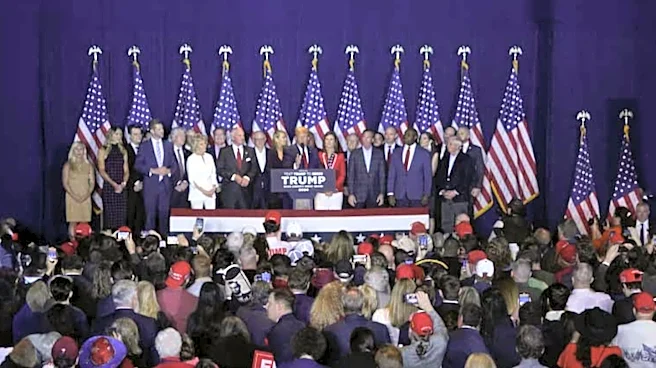
Mike Rogers, the presumptive Republican nominee for Michigan's Senate race, is emphasizing local issues in his campaign, distancing himself from national controversies such as President Trump's tariffs and the Iran war. Rogers aims to capitalize on a 'change
election' sentiment, targeting Democratic control in Michigan. Despite national GOP dominance, Rogers is focusing on state-level concerns like utility rates and manufacturing employment. His campaign strategy involves appealing to voters' desire for change while avoiding divisive national topics.
Why It's Important?
Rogers' approach highlights a strategic shift in Republican campaigning, focusing on local issues to gain voter support in a state with a history of Democratic representation. His campaign reflects broader GOP efforts to regain control in key battleground states by addressing constituents' immediate concerns rather than engaging in polarizing national debates. The outcome of this race could influence Republican strategies in other states, particularly in regions where local issues resonate more with voters than national party politics.
What's Next?
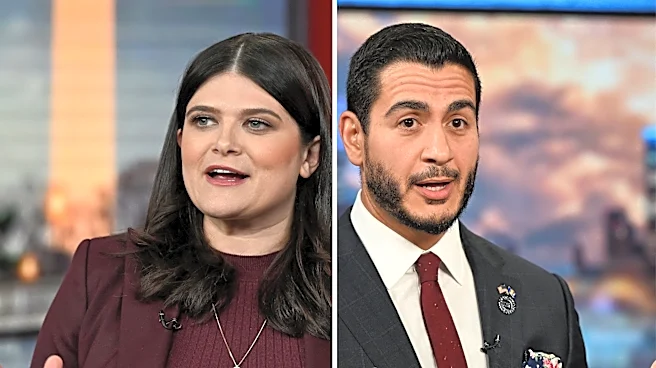
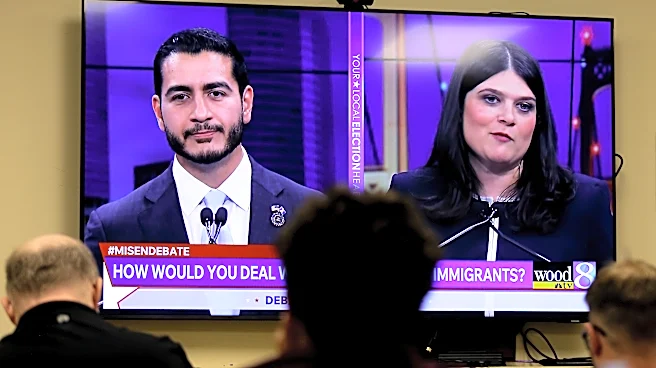
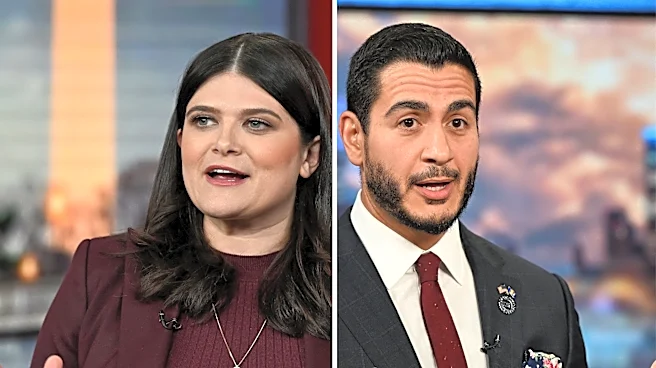
As the election approaches, Rogers will continue to emphasize local issues, potentially influencing other Republican candidates to adopt similar strategies. His campaign's success or failure could impact GOP tactics in future elections, particularly in states with mixed political leanings. The Democratic primary's outcome will also play a crucial role in shaping the general election dynamics, as Rogers prepares to face a potentially strong opponent. Voter response to Rogers' focus on local issues will be a key factor in determining the effectiveness of his campaign strategy.