







What's Happening?
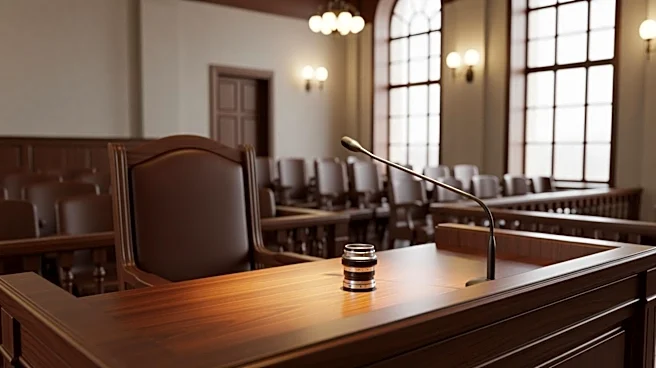
A bill proposing the introduction of cameras in federal courtrooms has advanced, sparking debate over the separation of powers between Congress and the judiciary. The bill aims to increase transparency and public access to federal court proceedings. However,
there is significant resistance from the judiciary, which argues that Congress cannot impose such rules on the courts. The judiciary's stance is based on the principle of judicial independence, which maintains that the courts should operate free from legislative interference. The bill's proponents argue that allowing cameras in courtrooms would enhance public understanding of the judicial process and promote accountability.
Why It's Important?
The advancement of this bill is crucial as it touches on the balance of power between the legislative and judicial branches of government. If passed, it could set a precedent for congressional influence over court operations, potentially impacting the independence of the judiciary. The presence of cameras in courtrooms could also change the dynamics of legal proceedings, affecting how cases are presented and perceived by the public. This development is part of a broader conversation about transparency in government institutions and the public's right to access information. The outcome of this legislative effort could influence future policies on media access to courtrooms and the transparency of judicial processes.
What's Next?
The bill will likely face further debate and potential amendments as it moves through the legislative process. If it passes, the judiciary may challenge its implementation, possibly leading to a legal battle over the separation of powers. The outcome of this conflict could have long-term implications for the relationship between Congress and the judiciary. Stakeholders, including legal professionals, media organizations, and civil rights groups, will likely continue to weigh in on the issue, advocating for or against the presence of cameras in courtrooms. The decision could also influence similar legislative efforts at the state level.