





What's Happening?
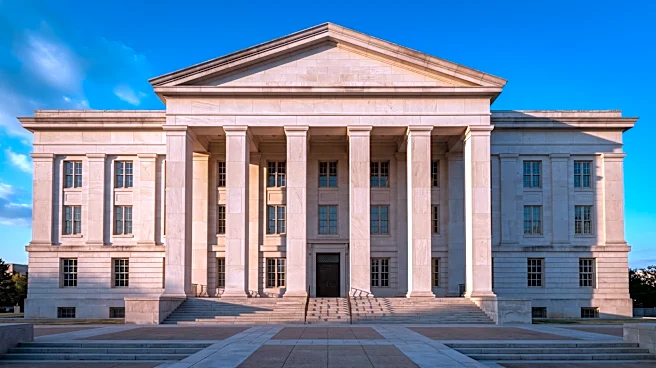
The Tennessee Supreme Court has approved a plan from the Appointed Counsel Commission (ACC) for the statewide implementation of a new indigent representation system. This decision follows an initial launch of the plan in the 8th Judicial District. The commission
is set to begin implementing the new system in three judicial districts this fall, with a phased expansion to 18 judicial districts in 2027, and full statewide implementation anticipated by 2028. Due to the multi-year implementation schedule, the court also sanctioned an increase in the current hourly rates for indigent work. Effective October 1, the hourly rate for non-capital cases will rise from $60 to $70, accompanied by proportionate increases to payment caps. Chief Justice Jeff Bivins acknowledged that lawyers taking appointed cases are compensated at rates significantly lower than those from private clients, expressing gratitude for their service and noting the rate increase as a step forward until the new system is fully operational.
Why It's Important?
This initiative is crucial for ensuring equitable access to legal representation for indigent individuals across Tennessee, a fundamental aspect of the U.S. justice system. The phased statewide implementation aims to standardize and improve the quality of legal services for those who cannot afford an attorney. The increase in hourly rates for appointed counsel is a significant development, addressing a long-standing concern that low compensation disincentivizes experienced attorneys from taking on these critical cases. This move could attract more qualified lawyers to indigent defense, potentially leading to better legal outcomes for defendants and reducing the burden on public defenders. It also reflects a recognition by the state's highest court of the need to adequately compensate legal professionals for their essential work in upholding constitutional rights.
What's Next?
The Appointed Counsel Commission will proceed with the phased implementation of the new indigent representation system, starting with three judicial districts this fall. The expansion will continue to 18 judicial districts in 2027, with the goal of achieving statewide coverage by 2028. Lawyers involved in indigent cases will see the new hourly rate of $70 for non-capital cases and adjusted payment caps take effect on October 1. The new system will introduce various payment structures, including flat fees for misdemeanors in General Sessions Courts, caseload agreements for attorneys based on a set number of cases, and hourly payments as needed. The success of this multi-year rollout will depend on effective coordination, adequate funding, and the willingness of legal professionals to participate in the updated framework.
Beyond the Headlines
The Tennessee Supreme Court's decision to overhaul its indigent representation system touches upon deeper issues of social justice and the integrity of the legal system. Inadequate funding and low compensation for appointed counsel have historically been cited as factors contributing to disparities in legal outcomes for low-income defendants. By increasing hourly rates and introducing new payment models, Tennessee is attempting to address these systemic issues, potentially setting a precedent for other states grappling with similar challenges. This reform could lead to a more robust and effective indigent defense system, which is vital for maintaining public trust in the judiciary and ensuring that justice is not solely dependent on financial means. The long-term impact will be observed in the quality of legal representation, the efficiency of the courts, and ultimately, the fairness of legal proceedings for all citizens.