


What's Happening?
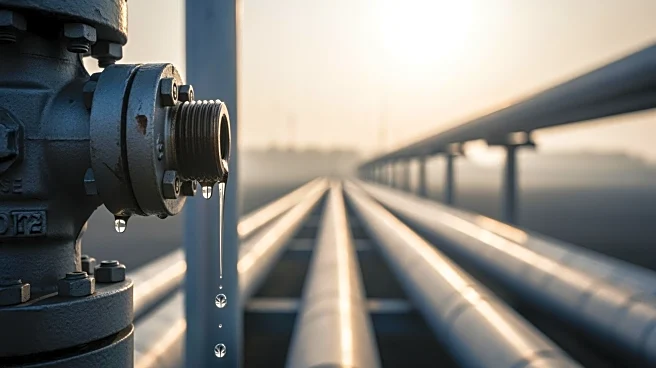
President Volodymyr Zelenskyy of Ukraine has publicly criticized European allies for what he describes as 'blackmail' regarding the Druzhba oil pipeline. The pipeline, which connects Russia to Europe via Ukraine, has been offline since January following
a Russian attack. Zelenskyy expressed his opposition to restoring Russian oil supplies through the pipeline, especially under conditions that could affect Ukraine's receipt of weapons. The situation has led to tensions between Ukraine and Hungary, with Hungary accusing Ukraine of deliberately delaying repairs to create an energy crisis. In response, Hungary's Prime Minister Viktor Orbán has blocked the release of significant EU funding for Ukraine. The European Commission has proposed a fact-finding mission to assess the pipeline damage.
Why It's Important?
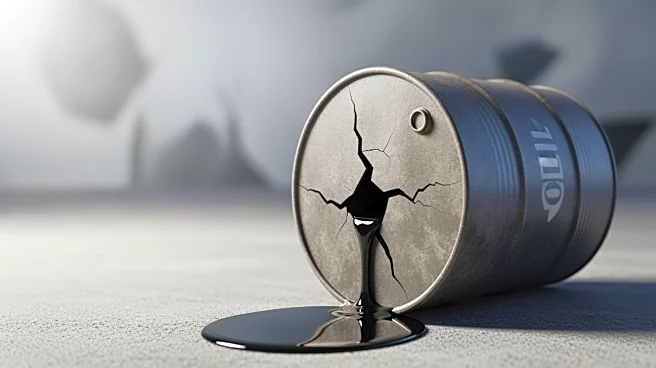
The dispute over the Druzhba pipeline highlights the complex geopolitical tensions involving energy supplies in Europe. The pipeline's closure has contributed to rising oil prices, surpassing $100 a barrel, amid broader disruptions linked to conflicts in the region. The situation underscores the strategic importance of energy infrastructure in geopolitical negotiations and the potential leverage it provides to countries like Ukraine. The blocking of EU funds by Hungary further complicates Ukraine's financial stability, which is crucial for its ongoing conflict efforts. The European Commission's involvement indicates the broader EU interest in resolving the issue to stabilize energy supplies and support Ukraine.
What's Next?
The European Commission's proposal to send a fact-finding mission could be a step towards resolving the dispute over the Druzhba pipeline. This mission may provide an objective assessment of the damage and necessary repairs, potentially easing tensions between Ukraine and Hungary. However, the outcome will depend on the willingness of involved parties to cooperate and prioritize regional stability over individual national interests. The ongoing geopolitical dynamics, including the U.S. and Russia's roles, will also influence the next steps in this complex situation.