

What's Happening?
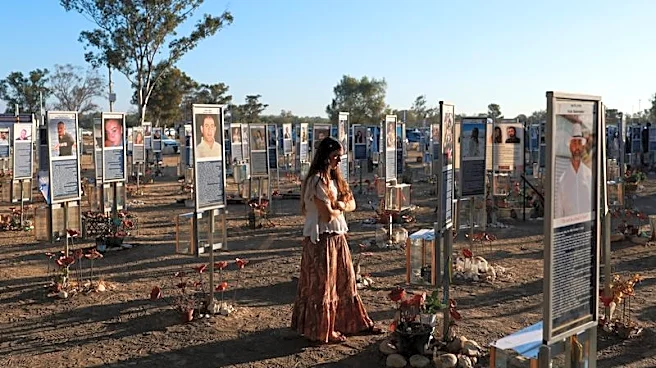
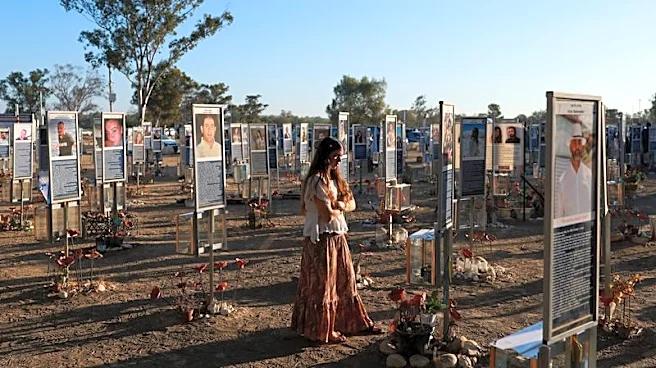
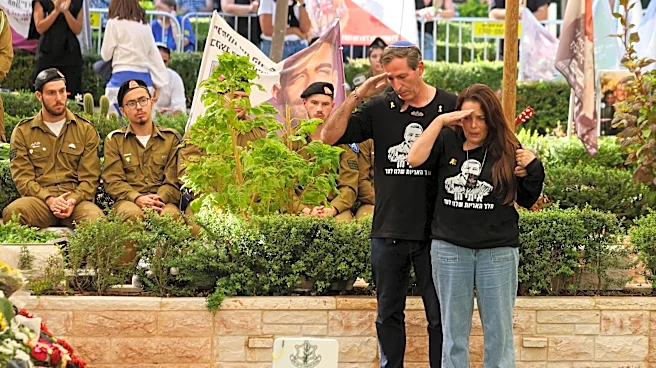
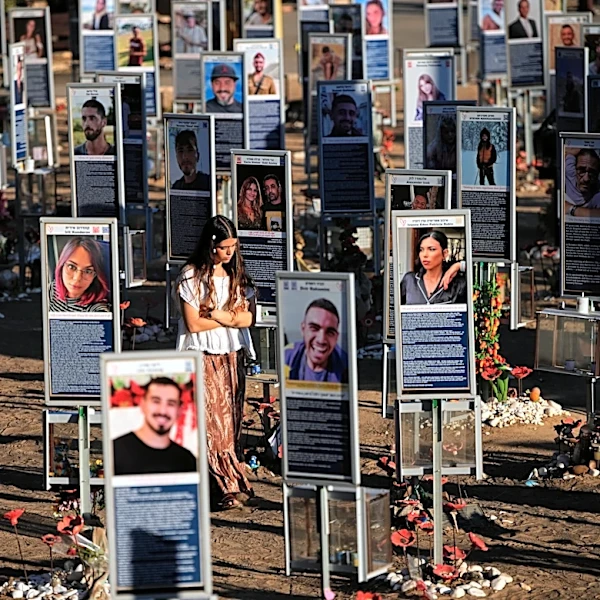
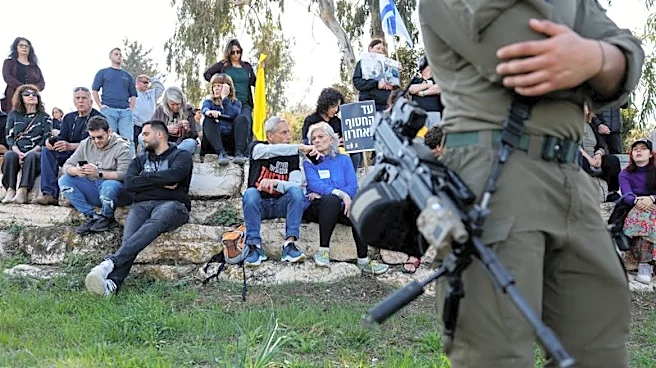
Israelis are commemorating the third anniversary of the October 7, 2023, Hamas-led attacks, which resulted in 1,200 deaths and 251 hostages taken. The attacks triggered a significant Israeli military response in Gaza, leading to widespread devastation
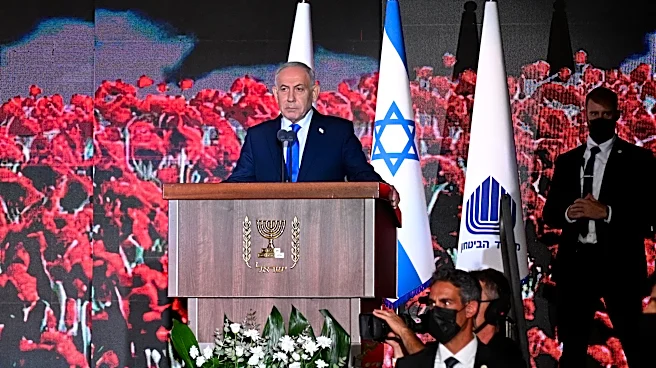
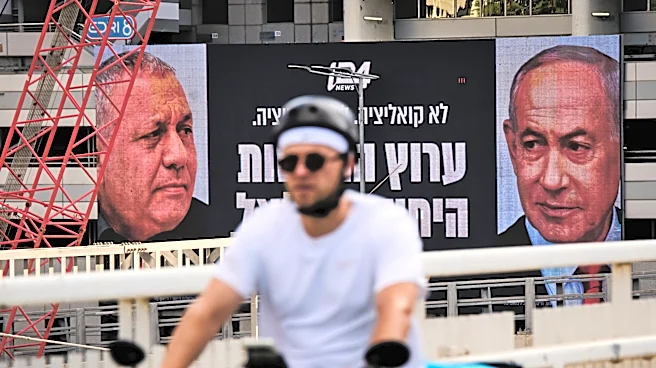
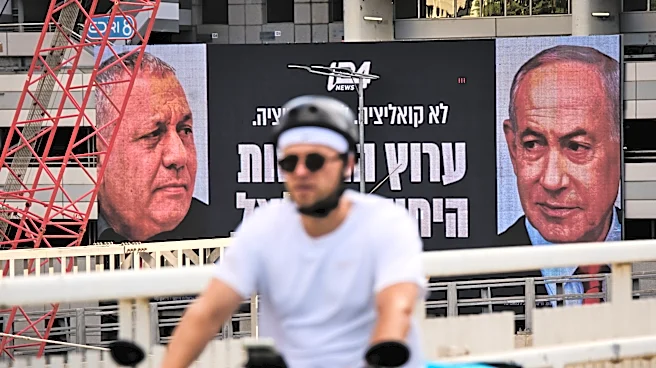
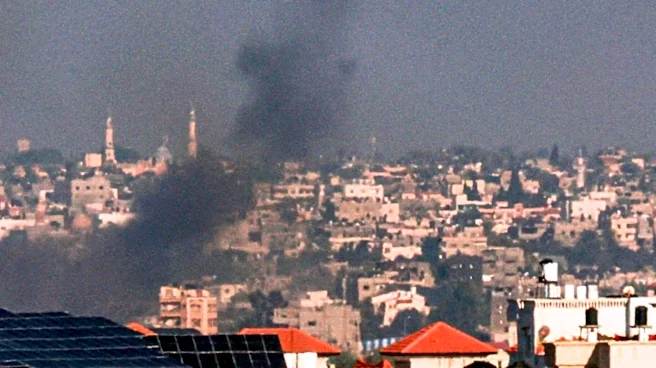
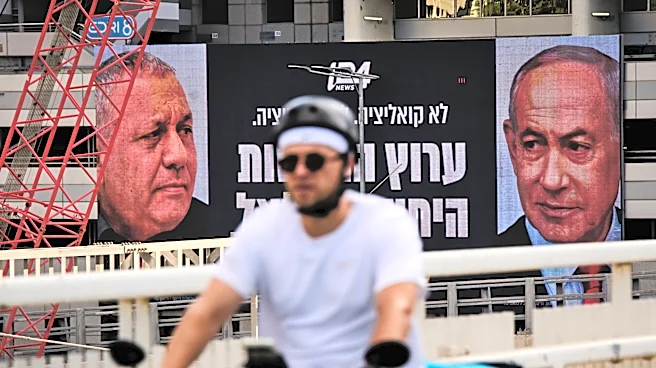
and the displacement of nearly the entire Gazan population. While Israelis gathered at massacre sites and memorials to mourn, Palestinians in Gaza continue to live in dire conditions, with much of the territory in ruins. Despite a ceasefire deal nearly a year ago, Israeli strikes persist, and over 74,000 Palestinians have been killed in Gaza, according to the territory's Health Ministry. The anniversary also highlights deep political divisions within Israel, particularly concerning Prime Minister Benjamin Netanyahu's handling of the war and his refusal to launch an independent inquiry into the security failures of October 7. An upcoming Israeli general election, 20 days after the anniversary, is being viewed as a referendum on Netanyahu's leadership.
Why It's Important?
This anniversary underscores the profound and lasting impact of the October 7 attacks on both Israeli and Palestinian societies, as well as the broader Middle East. For Israelis, it's a day of remembrance and a renewed call for accountability regarding security failures, with many expressing continued fear and a lack of confidence in the government's ability to prevent future attacks. The ongoing conflict in Gaza, with its high civilian death toll and humanitarian crisis, continues to fuel international debate and criticism. The political instability in Israel, evidenced by the upcoming election and calls for an independent inquiry, suggests a potential shift in leadership and policy, which could have significant implications for regional dynamics and peace efforts. The conflict has also led to increased violence in the Israeli-occupied West Bank and has contributed to a wider confrontation involving Iran and the United States, impacting global markets.
What's Next?
The immediate future will see the Israeli general election, which could significantly alter the political landscape and potentially lead to a new government. This election is expected to be a referendum on Prime Minister Netanyahu's tenure and his handling of the conflict. Calls for an independent inquiry into the October 7 attacks are likely to intensify, with the High Court having delayed action until after the election. In Gaza, the humanitarian crisis is expected to continue, with ongoing restrictions on aid and persistent Israeli strikes. Ceasefire talks between Israel and Hamas remain deadlocked, with Israel demanding Hamas's full disarmament and Hamas refusing to disarm while Israeli attacks continue. The international community will likely maintain pressure for a resolution to the conflict and increased humanitarian aid for Gaza.
Beyond the Headlines
The events surrounding the October 7 anniversary reveal deeper societal and psychological impacts. In Israel, there's a palpable sense of trauma and a questioning of national security, leading to a re-evaluation of the country's relationship with its allies and the feasibility of a political solution to the Israeli-Palestinian conflict. For Palestinians, the anniversary is a stark reminder of displacement, loss, and the destruction of their way of life, with many feeling that their dream of an independent state is more distant than ever. The conflict has also highlighted the role of media and public perception, with differing narratives shaping international opinion. The long-term consequences include potential demographic shifts as younger Israelis are hesitant to return to border communities, and a continued struggle for identity and survival for Palestinians in Gaza. The events also underscore the complex interplay of historical grievances, political leadership, and international relations in perpetuating cycles of violence.