






What's Happening?
Asian governments are accelerating electrification and expanding renewable energy, but outdated power systems and regulations are creating significant barriers to fair grid access. A workshop hosted by Solutions for Our Climate (SFOC) in Bangkok brought
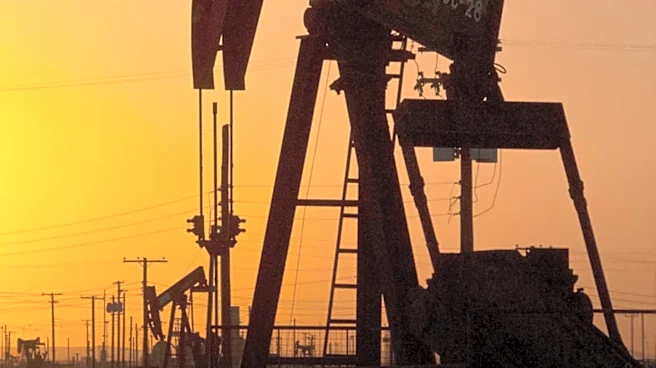
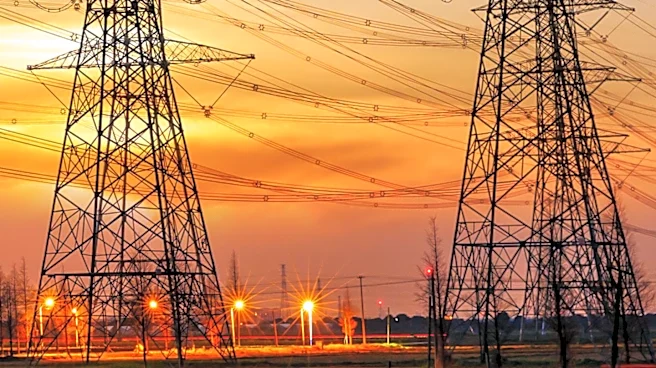
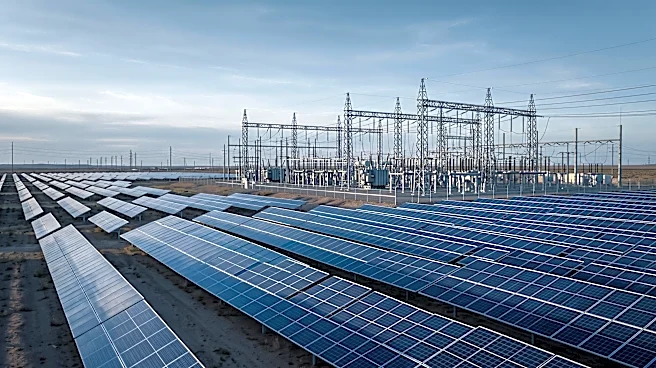
together organizations from South Korea, India, Indonesia, the Philippines, and Singapore to discuss these shared issues. The workshop highlighted that while investment in grid infrastructure is occurring, existing power systems often favor conventional fossil fuel generation, making it difficult for renewable projects to connect and integrate effectively. For instance, South Korea's 'Energy Highway' initiative aims for over 100 GW of renewable energy by 2030, but grid access remains a challenge, with state-owned utility Korea Electric Power Corporation (KEPCO) acting as a gatekeeper, causing bottlenecks. This situation is exacerbated by growing electricity demand from AI data centers and manufacturing industries, putting additional pressure on already strained power systems across the region.
Why It's Important?
The 'grid inequity' in Asia has significant implications for global climate goals and the transition to renewable energy. The inability of renewable projects to connect to grids efficiently means that even with ambitious targets and capital investment, the actual deployment of clean energy is hampered. This perpetuates reliance on fossil fuels, contributing to greenhouse gas emissions and undermining efforts to combat climate change. For U.S. industries and policymakers, this situation presents both challenges and opportunities. It highlights the need for robust and equitable grid infrastructure as a foundational element for successful energy transitions worldwide. U.S. companies involved in renewable energy technology, grid modernization, and energy storage could find opportunities in assisting Asian nations with these reforms. Conversely, if Asian economies continue to struggle with renewable integration, it could impact global supply chains and the overall pace of decarbonization, affecting international climate agreements and the competitiveness of green technologies.
What's Next?
The workshop participants identified common barriers to renewable energy integration and began outlining shared priorities for civil society advocacy. This will inform a regional mapping of grid integration barriers and future opportunities for coordinated action. Reforms to biased grid access are urgently needed alongside investment in new transmission infrastructure in Asia. In the longer term, there is a call to tackle the conflict of interests deeply rooted in the power sector, where fossil fuel incumbents often influence grid policies. Solutions for Our Climate (SFOC) and other organizations will likely continue to advocate for policy changes that prioritize fair grid access for renewables. The ongoing discussions and collaborative efforts among Asian civil society organizations aim to push for systemic reforms that can accelerate the energy transition in the region, potentially leading to new regulatory frameworks and increased investment in smart grid technologies.
Beyond the Headlines
The issue of 'grid inequity' extends beyond mere technical challenges; it touches upon deep-seated ethical and economic dimensions. The conflict of interest, where state-owned utilities or established energy players act as gatekeepers, raises questions about market fairness and the equitable distribution of resources. This dynamic can stifle innovation and competition in the renewable energy sector, favoring entrenched fossil fuel interests. Culturally, the resistance to change in power systems reflects a broader challenge in transitioning away from established economic models. The long-term shift triggered by these developments could involve a re-evaluation of energy governance structures, potentially leading to more decentralized and democratized energy systems. The struggle for fair grid access in Asia serves as a microcosm of the global energy transition, highlighting the complex interplay of technology, policy, economics, and political will in achieving a sustainable future.