





What's Happening?
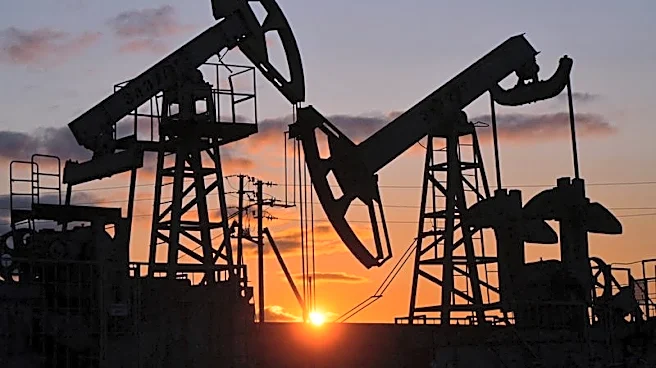
Oil prices have experienced a significant increase following attacks on commercial vessels in the Strait of Hormuz and conflicting messages regarding peace negotiations between the United States and Iran. Brent crude futures, a key global price benchmark,
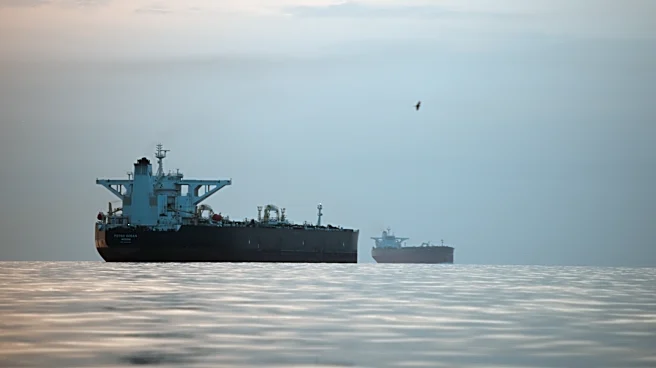
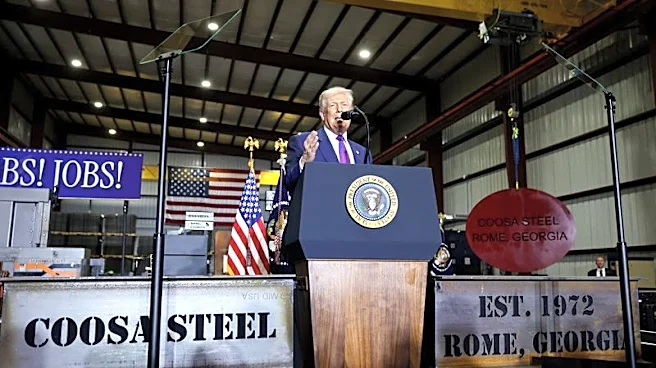
rose over 7 percent in Asia, reflecting the uncertain outlook for peace between Washington and Tehran. The price surge was further fueled by President Trump's announcement that US forces had seized an Iranian-flagged cargo vessel attempting to evade the US blockade of Iran's ports. This development follows reports of attacks on vessels transiting the strait, including Iranian gunboats firing on a tanker and an unknown projectile striking a container ship. Despite initial declarations by Tehran that the strait was open, the situation remains tense, with a two-week ceasefire set to expire soon.
Why It's Important?
The rise in oil prices has significant implications for global energy markets and economies. The Strait of Hormuz is a critical passage for about one-fifth of the world's oil and natural gas supplies, and its effective closure has led to increased fuel prices worldwide. This situation forces governments to tap into emergency supplies and implement energy-saving measures. The ongoing tensions between the US and Iran could further disrupt global oil supply chains, impacting industries reliant on stable energy prices. Additionally, the geopolitical instability may affect international relations and trade, with potential repercussions for global economic growth.
What's Next?
As the ceasefire between the US and Iran approaches its expiration, the possibility of renewed negotiations remains uncertain. A US delegation is scheduled to travel to Pakistan for a second round of talks with Iranian officials, although Iran has indicated it may not participate due to the US blockade and perceived excessive demands. The outcome of these talks could influence future oil prices and geopolitical dynamics in the region. Stakeholders, including political leaders and energy companies, will closely monitor developments, as any escalation could further impact global markets.