




What's Happening?
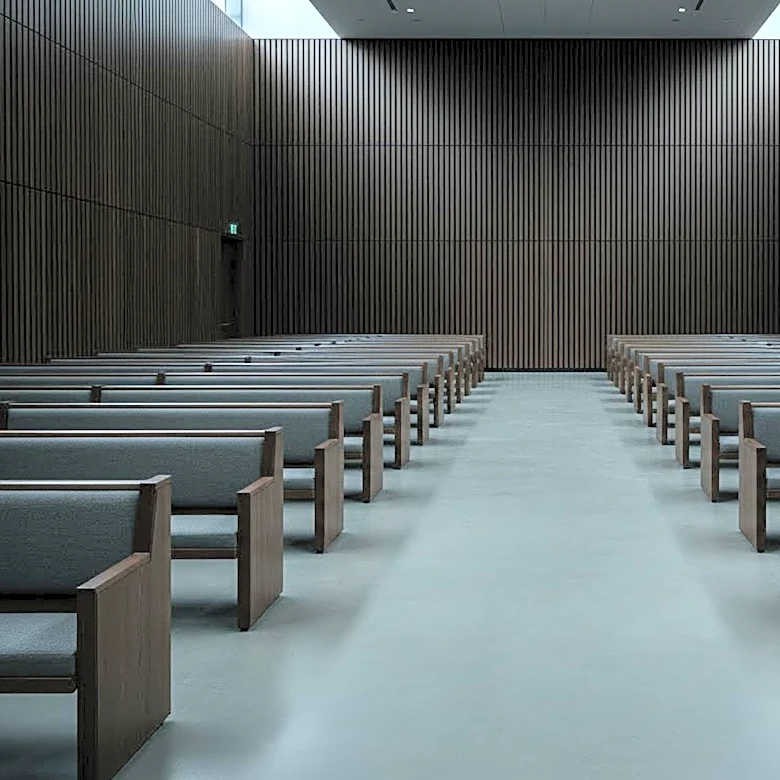
The U.S. Supreme Court, particularly since the establishment of a Republican supermajority, has fundamentally altered its approach to religious liberty cases. This shift is exemplified by the 2020 decision in Roman Catholic Diocese of Brooklyn v. Cuomo,
which concerned COVID-19 restrictions on houses of worship. Previously, the Court generally allowed states significant leeway in navigating conflicts between religious practices and public policy, intervening only if religious institutions were singled out for inferior treatment. However, the new majority has moved towards resolving these conflicts itself, often in favor of religious conservatives. This has led to rulings that grant religious exemptions from state laws, even when those exemptions may impact the rights of others, particularly in cases involving LGBTQ+ individuals. The Court's current stance suggests that religious institutions may only be subject to the least restrictive rules applied to any secular business, regardless of the nature of that business.
Why It's Important?
This reinterpretation of religious liberty by the Supreme Court has profound implications for U.S. society, public policy, and the balance between religious freedom and other civil liberties. The Court's decisions increasingly prioritize the free exercise of religion, often at the expense of anti-discrimination laws and the rights of LGBTQ+ individuals. This creates a legal landscape where religious beliefs can be invoked to diminish the rights of others, impacting areas such as employment, healthcare, and public accommodations. Furthermore, the Court's approach to education cases is actively dismantling the traditional separation of church and state, potentially requiring government funding for religious institutions that hold views many Americans find objectionable. This shift could lead to increased legal challenges and societal divisions as cultural and political conflicts are increasingly framed as constitutional cases to be resolved by the Supreme Court, rather than through democratic processes at the state level.
What's Next?
The trajectory set by the current Supreme Court suggests a continued expansion of religious exemptions and a further erosion of the separation of church and state. Future cases are likely to test the boundaries of these new interpretations, particularly concerning the rights of workers and the extent to which religious businesses must adhere to general laws. There will likely be ongoing legal battles over issues such as LGBTQ+ discrimination, public school curricula, and government funding for religious education. Stakeholders, including civil rights organizations, LGBTQ+ advocacy groups, and religious freedom advocates, will continue to engage in litigation and public discourse to either challenge or reinforce these judicial trends. The long-term impact could include a more religiously conservative public sphere and a redefinition of civil liberties in the U.S., with potential for increased polarization.
Beyond the Headlines
The deeper implications of the Supreme Court's shift extend to the very fabric of American democracy and its pluralistic society. By centralizing power within itself and resolving cultural disputes in favor of a specific political constituency, the Court risks undermining the democratic process and the ability of diverse states to craft policies that reflect their unique populations. The idea that government neutrality towards religion is perceived as hostility, as argued by some conservatives, fundamentally redefines the role of religion in public life. This approach could lead to a society where religious beliefs are not merely protected but are actively privileged, potentially creating a hierarchy of rights where religious freedom can supersede other fundamental freedoms. This raises ethical questions about fairness, equality, and the role of the judiciary in shaping societal values, moving beyond legal interpretation to active policy-making.