


What's Happening?
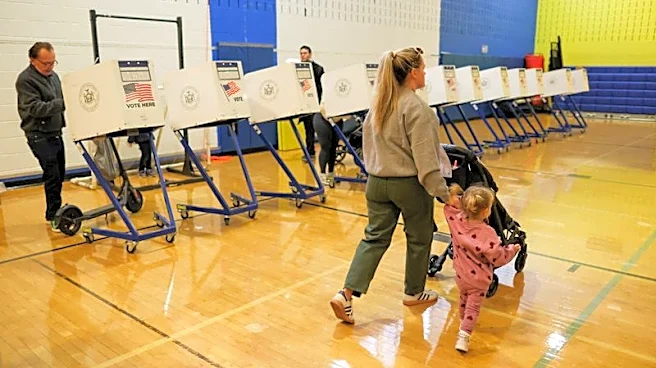
The Department of Justice (DOJ), through its Civil Rights Division, is actively monitoring polling sites in Massachusetts for the Commonwealth’s primary election. This initiative aims to ensure transparency, ballot security, and compliance with federal
voting laws that protect the rights of all eligible citizens. The DOJ regularly deploys staff from its Civil Rights Division and other Department offices to oversee adherence to these laws across various communities. For the Massachusetts primary, 12 monitors have been deployed to polling locations in Boston, New Bedford, and Lowell. This effort is part of a broader primary season monitoring program, where the DOJ has already deployed over 80 monitors across eight states and more than 200 polling locations. This compares to nine states monitored during the 2022 midterm primary season. The Civil Rights Division's Voting Section is responsible for enforcing federal statutes such as the Voting Rights Act, National Voter Registration Act, Help America Vote Act, Uniformed and Overseas Citizens Absentee Voting Act, the Americans with Disabilities Act, and the Civil Rights Acts.
Why It's Important?
The DOJ's election monitoring activities are crucial for upholding the integrity of the U.S. electoral process and safeguarding the fundamental right to vote. By deploying monitors, the DOJ aims to prevent potential violations of federal voting laws, address any issues that arise in real-time, and build public trust in the fairness and security of elections. This oversight is particularly important in a politically charged environment, where concerns about election integrity can be high. The presence of federal monitors can deter discriminatory practices, ensure accessibility for all voters, and provide a mechanism for addressing complaints. The enforcement of various federal statutes by the Civil Rights Division underscores the comprehensive legal framework designed to protect voting rights, making the DOJ's role indispensable in ensuring that these protections are effectively implemented at the local level. The transparency and accountability fostered by these monitoring efforts are vital for a healthy democracy.
What's Next?
From now through the general election on November 3, personnel from the Civil Rights Division will remain available to receive questions and complaints from the public regarding federal voting rights laws. Individuals with questions or complaints, or those wishing to request election monitoring in a specific jurisdiction, are encouraged to contact the Voting Section at VEM@usdoj.gov. This ongoing availability indicates a sustained commitment from the DOJ to address voting-related issues throughout the entire election cycle. The information gathered during these monitoring efforts, including any complaints or observed irregularities, will likely inform future enforcement actions or policy recommendations. The DOJ's continued vigilance will be key to ensuring that the general election also adheres to federal voting rights standards, potentially leading to further deployments of monitors in other states as the election season progresses.
Beyond the Headlines
The consistent deployment of DOJ election monitors highlights a deeper, ongoing national conversation about voting access and election security. Beyond the immediate goal of ensuring fair elections, these efforts contribute to the broader civic education of the public regarding their voting rights and the mechanisms in place to protect them. The emphasis on nonpartisan, nondiscriminatory monitoring aims to reinforce the idea that voting is a fundamental right, transcending political affiliations. This proactive approach by the DOJ also serves as a critical check on local election administration, ensuring that state and local practices align with federal mandates. The long-term impact of such monitoring can include increased voter confidence, improved election administration practices, and a stronger foundation for democratic participation, by continuously reinforcing the principles of equal access and fair representation in the electoral process.