






What's Happening?
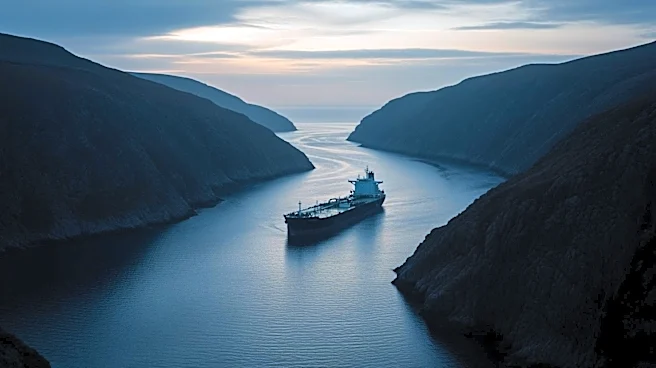
Gulf states, including Saudi Arabia, the UAE, and Qatar, are rapidly advancing infrastructure and defense projects to mitigate the threat posed by Iran's control over the Strait of Hormuz. The recent closure of the strait by Iran has prompted these countries
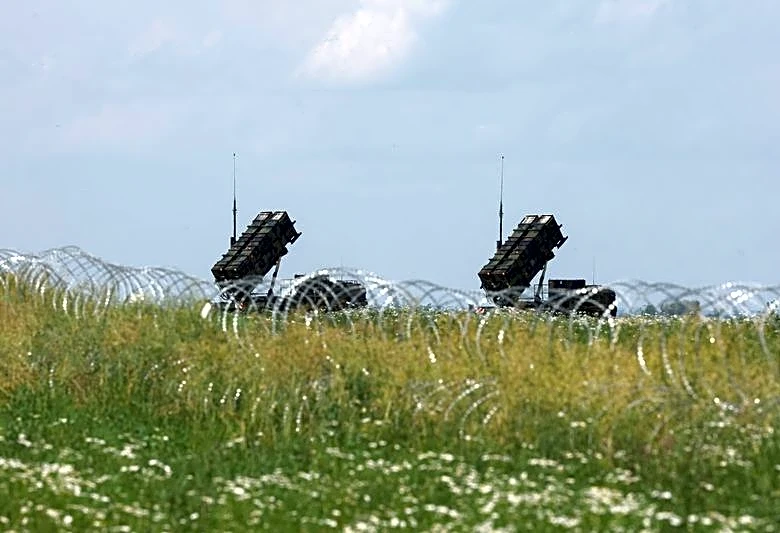
to develop alternative routes for oil and gas exports, such as pipelines and railways bypassing the strait. Additionally, these states are enhancing their military capabilities by acquiring advanced defense systems, including drones and missile interceptors, from countries like Ukraine, Japan, and South Korea. This strategic shift aims to reduce reliance on the Strait of Hormuz and strengthen regional security.
Why It's Important?
The closure of the Strait of Hormuz has significant economic implications for Gulf states, which rely heavily on this route for oil and gas exports. The development of alternative infrastructure is crucial to maintaining economic stability and reducing vulnerability to geopolitical tensions. Furthermore, the enhancement of military capabilities reflects a broader regional strategy to counter potential threats from Iran. This shift not only impacts the Gulf region but also has broader implications for global energy markets and geopolitical dynamics, as these states seek to diversify their economic and security partnerships.
What's Next?
Gulf states are expected to continue investing in infrastructure and defense projects to further reduce their dependence on the Strait of Hormuz. This includes the completion of major projects like the Gulf Railway and new pipelines. Additionally, these countries may seek to strengthen alliances with other regional and global powers to bolster their security and economic resilience. The ongoing geopolitical tensions in the region are likely to influence future developments, with potential impacts on global energy supply and international relations.