




What's Happening?
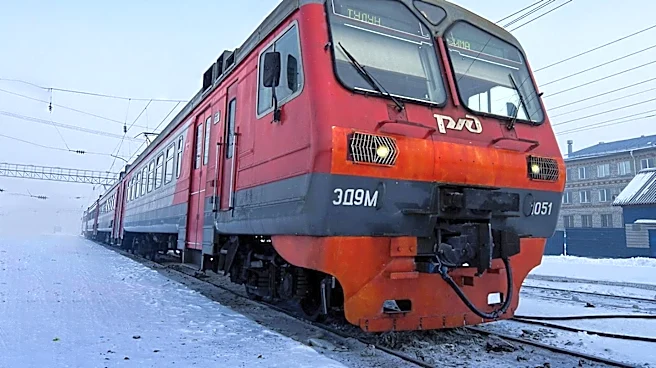
The Russian Railways (RZD), a critical component of Russia's logistics and military infrastructure, is experiencing a severe crisis due to a diesel fuel shortage and financial difficulties. According to Ukraine's Foreign Intelligence Service (SZRU), diesel prices
have surged dramatically, doubling in some regions within a week. This shortage is exacerbating the financial strain on RZD, which is already burdened by mounting debt and declining freight volumes. In response, RZD is implementing an unscheduled tariff increase on October 1, raising freight transportation rates by 8.5% and long-distance passenger fares by 9.2%. This marks the second fare hike in 2026, following a previous increase earlier in the year. Despite these measures, RZD has been forced to cut its investment spending by nearly 25%, highlighting the severity of its financial challenges.
Why It's Important?
The crisis facing Russian Railways has significant implications for both Russia's economy and its military logistics. As the primary means of transporting heavy military equipment and industrial products across Russia, any disruption in RZD's operations could impact the country's war efforts and economic stability. The rising diesel prices and increased tariffs are likely to raise operational costs, further straining logistics operators and potentially leading to higher prices for goods transported via rail. This situation underscores the vulnerability of Russia's transportation infrastructure and the broader economic challenges the country faces. The reliance on tariff hikes to stabilize finances may not be sustainable in the long term, potentially leading to further economic strain.
What's Next?
The immediate future for Russian Railways involves coping with the increased tariffs and managing the diesel fuel shortage. The company will need to find ways to stabilize its finances without further burdening the economy or disrupting military logistics. Stakeholders, including the Russian government, may need to explore alternative solutions to address the structural weaknesses in the railway system. This could involve seeking new sources of fuel, investing in alternative energy solutions, or restructuring the financial model of RZD. The ongoing situation will require careful management to prevent further deterioration of Russia's transportation infrastructure.
Beyond the Headlines
The challenges faced by Russian Railways highlight broader issues within Russia's economic and logistical frameworks. The reliance on diesel fuel and the lack of alternative energy sources expose vulnerabilities that could have long-term implications for the country's infrastructure. Additionally, the financial strain on RZD reflects wider economic pressures that may affect other state enterprises. The situation also raises questions about the sustainability of Russia's current economic policies and the potential need for reform to ensure the resilience of critical infrastructure.