

What's Happening?
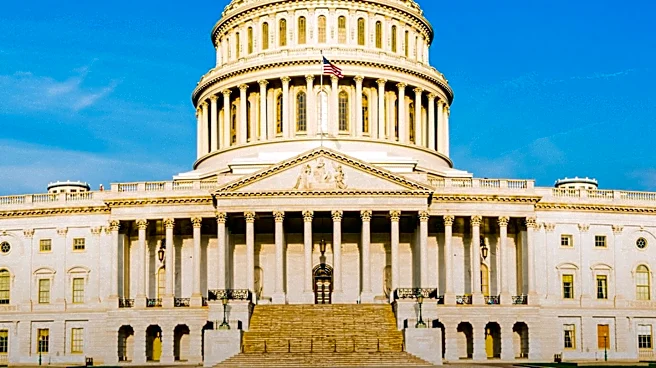
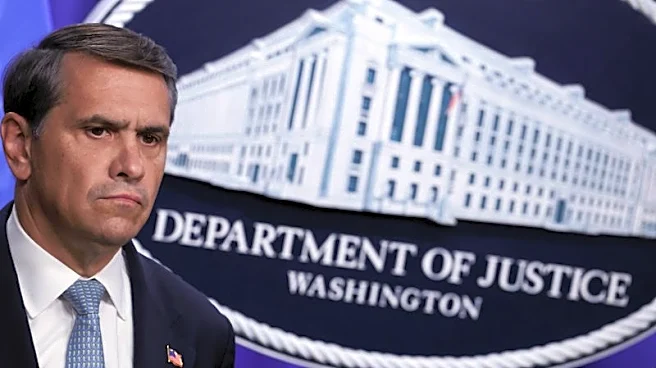
In a rare bipartisan move, Senate Republicans and Democrats have united to block President Trump's narrative regarding the January 6th Capitol insurrection. The Department of Justice's proposed $1.8 billion fund for alleged victims of government weaponization,
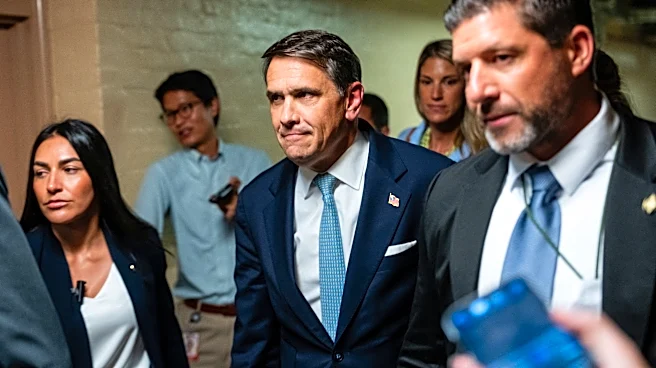
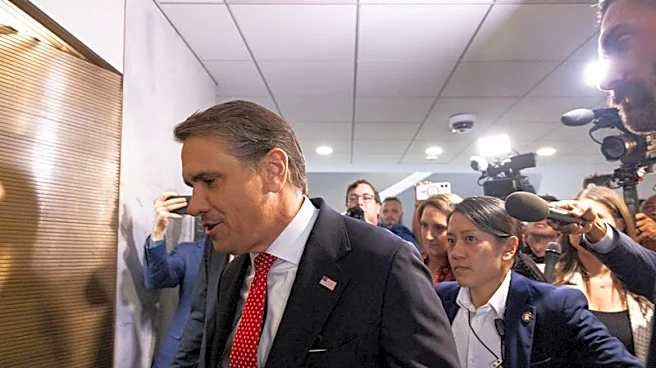
which included insurrectionists, was scrapped following criticism from both parties. President Trump has portrayed the rioters as 'great American Patriots' and sought to compensate them, a stance that has been met with resistance from lawmakers. Senators John Cornyn and Thom Tillis, who initially opposed Trump's impeachment, joined Democrats in blocking the confirmation of acting Attorney General Todd Blanche until the DOJ formally abandoned the fund. This decision reflects growing frustration within the Senate over Trump's attempts to rewrite the narrative of the insurrection.
Why It's Important?
The Senate's rejection of Trump's narrative and the associated fund underscores the ongoing political and social divisions surrounding the January 6th insurrection. By blocking the fund, lawmakers are sending a message that actions undermining democratic institutions will not be rewarded. This move could have significant implications for the Republican Party, as it highlights internal disagreements over Trump's influence and the party's direction. The decision also reinforces the importance of accountability and the rule of law in addressing the events of January 6th, potentially shaping future legislative and judicial responses to similar incidents.
What's Next?
The Senate's decision to block the fund and Blanche's confirmation may lead to further political maneuvering as both parties navigate the fallout. President Trump is likely to continue advocating for his narrative, potentially influencing his supporters and future political campaigns. The DOJ's handling of the insurrection and related prosecutions will remain under scrutiny, with potential implications for ongoing investigations and legal proceedings. As the political landscape evolves, the Senate's actions could impact upcoming elections and the broader discourse on democracy and governance in the United States.