



What's Happening?
Russia launched a significant overnight attack on Ukraine, deploying hundreds of drones and dozens of missiles, including the new Oreshnik intermediate-range ballistic missile. This assault resulted in at least four deaths and numerous injuries in Kyiv.
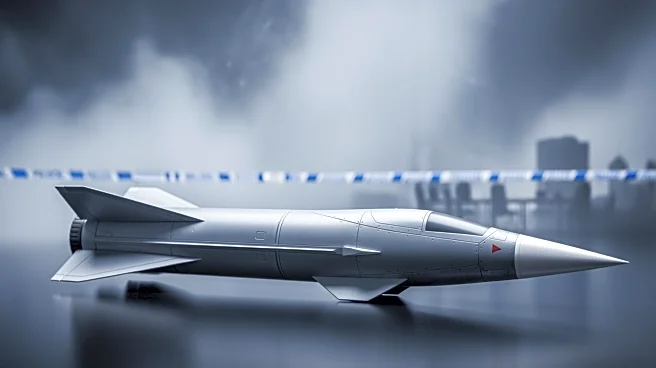
The attack was described by Russia as retaliation for an alleged Ukrainian drone strike on a residence used by President Vladimir Putin, a claim denied by both Ukraine and the U.S. The Oreshnik missile, capable of carrying nuclear warheads, was used for only the second time in the ongoing conflict, targeting western Ukraine. The attack has been condemned by European leaders as 'escalatory and unacceptable,' with the EU's foreign policy chief stating it was a warning to Europe and the U.S.
Why It's Important?
The use of the Oreshnik missile signifies a new level of escalation in the Russia-Ukraine conflict, potentially altering the strategic landscape. This development poses a direct threat to European security, especially given the missile's capability to evade defense systems and its proximity to NATO borders. The attack underscores the ongoing tensions between Russia and the West, particularly as the U.S. and its allies consider further sanctions against Moscow. The incident also highlights the vulnerability of Ukraine's infrastructure and the humanitarian impact on its civilian population, with significant disruptions to heating and water supplies in Kyiv amid freezing temperatures.
What's Next?
Ukraine is expected to seek international support, including an urgent meeting of the U.N. Security Council and the Ukraine-NATO Council, to address the missile's use. The international community, led by the U.S. and European nations, may respond with increased diplomatic pressure and potential sanctions against Russia. The situation could further strain relations between Russia and Western countries, complicating any diplomatic efforts for peace. Additionally, the attack may prompt NATO to reassess its defense posture in Eastern Europe, considering the missile's threat to regional stability.
Beyond the Headlines
The deployment of the Oreshnik missile introduces a psychological element to the conflict, potentially intimidating Ukraine and its Western allies. This development could lead to a reevaluation of military aid strategies to Ukraine, focusing on countering advanced missile threats. The attack also raises ethical questions about the use of such powerful weapons in populated areas, highlighting the need for international dialogue on arms control and conflict resolution. The incident may influence public opinion in Europe and the U.S., potentially affecting political support for ongoing military and humanitarian assistance to Ukraine.