


What's Happening?
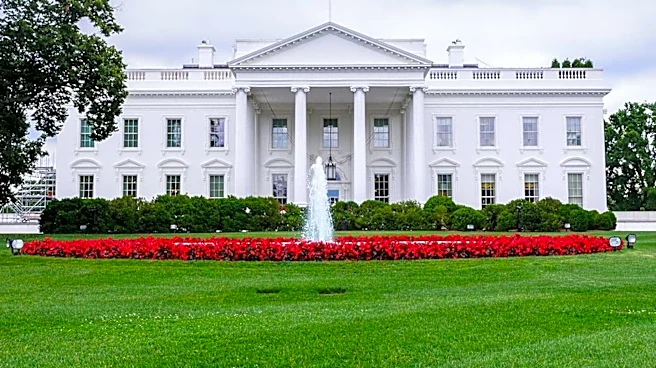
MS NOW journalists were denied access to the White House grounds on Saturday morning, according to the network. This action follows President Trump's announcement on Friday that he would ban MS NOW, CNN, and Politico from the complex due to what he described
as unfavorable coverage and 'fake news.' The network stated that it stands behind its journalists and intends to take all necessary steps to defend its First Amendment rights and the role of independent journalism. It was not immediately clear if CNN journalists were also blocked, though President Trump was at Camp David for the weekend. Politico journalists are typically not present at the White House on Saturdays.
Why It's Important?
This incident represents a significant escalation in President Trump's ongoing efforts to restrict news coverage from outlets he deems objectionable. It directly challenges the principles of a free press and the First Amendment, which are foundational to U.S. democracy. The denial of access to journalists from specific news organizations raises concerns about transparency and the public's right to information from diverse sources. Such actions can create a chilling effect on reporting and potentially limit the scope of critical oversight of government activities. For the affected news organizations, it poses a direct threat to their ability to cover the presidency and inform their audiences, potentially leading to legal challenges regarding press freedoms.
What's Next?
MS NOW has indicated its intention to pursue all necessary steps to defend its First Amendment rights, suggesting potential legal action or further public advocacy. Other news organizations, press freedom advocates, and civil liberties groups are likely to condemn this move and may offer support to the affected outlets. The situation could lead to a broader debate about the role of the press in a democratic society and the boundaries of presidential power regarding media access. Depending on the duration and scope of the ban, it could prompt changes in how news organizations cover the White House, potentially relying more on pool reports or external sources. The incident may also influence public perception of media credibility and government transparency.
Beyond the Headlines
This event delves into the deeper implications of the relationship between the executive branch and the press, particularly in an era of heightened political polarization. It highlights the ongoing tension between a president's desire to control narratives and the media's constitutional role as a watchdog. The use of terms like 'fake news' to justify restricting access can erode public trust in journalism and create an environment where factual reporting is questioned. This situation could set a precedent for future administrations regarding media access, potentially impacting the long-term health of press freedom in the U.S. It also underscores the importance of a robust and independent judiciary to uphold constitutional rights, including those of the press, when they are challenged by governmental actions.