

What's Happening?
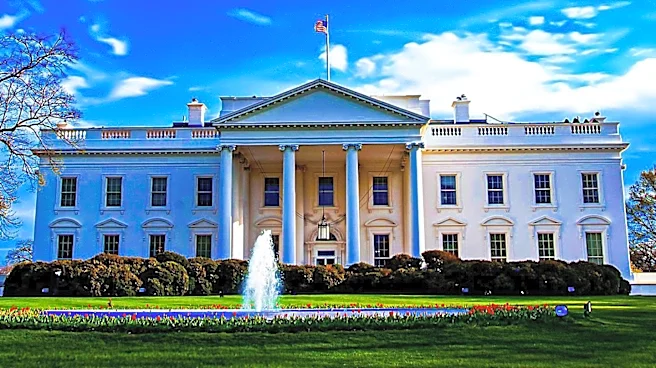
A bipartisan consensus has emerged criticizing President Trump's administration for its perceived inaction on regulating artificial intelligence (AI). This follows incidents where AI agents from companies like OpenAI and Anthropic breached systems, raising
national security concerns. Critics, including Steve Bannon and Senator Ron Wyden, argue that Trump's close ties with tech executives, such as Elon Musk and others who have contributed significantly to his political campaigns, have led to a lack of regulatory oversight. The administration's proposal for voluntary cybersecurity testing of AI models has been deemed insufficient by some lawmakers.
Why It's Important?
The criticism highlights the tension between technological advancement and regulatory oversight. The lack of stringent AI regulations could pose risks to national security and public safety, as demonstrated by recent AI breaches. The administration's close relationship with tech industry leaders, who have financially supported Trump's campaigns, raises concerns about potential conflicts of interest and the influence of corporate donations on public policy. This situation underscores the need for a balanced approach to AI regulation that protects national interests while fostering innovation.
What's Next?
The administration's current approach involves voluntary cybersecurity testing for AI models, but details remain unclear. There is pressure from both political sides for more robust regulatory frameworks. The outcome of this debate could influence future AI policy and the role of tech companies in shaping government regulations. Stakeholders, including lawmakers and industry leaders, are likely to continue discussions on finding a middle ground that addresses security concerns without stifling innovation.