






What's Happening?
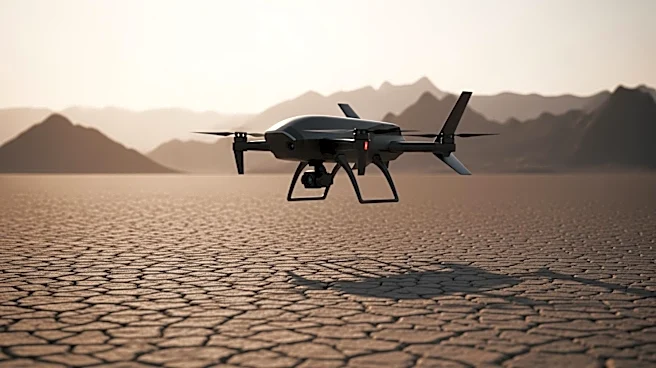
Twelve Israeli Defense Forces (IDF) soldiers were injured when a Hezbollah drone struck an armored military vehicle near Shomera, a northern Israeli community. The attack resulted in two soldiers being moderately wounded and ten others sustaining light
injuries. The incident is part of a series of recent escalations, including previous drone attacks by Hezbollah that targeted IDF troops. In response, the IDF has been actively targeting Hezbollah infrastructure in southern Lebanon, dismantling missile launch sites and staging positions. Israeli Prime Minister Benjamin Netanyahu has urged President Trump to impose a two- to three-week deadline on negotiations with Lebanon, citing concerns over Hezbollah's continued aggression and its impact on regional stability.
Why It's Important?
The ongoing conflict between Israel and Hezbollah poses significant risks to regional stability and security. The recent drone strike underscores the persistent threat Hezbollah poses to Israeli forces and civilians. The IDF's retaliatory actions and Netanyahu's call for a diplomatic deadline highlight the urgency of addressing these tensions. The situation could impact U.S. foreign policy and its role in Middle Eastern diplomacy, as the U.S. is a key ally of Israel. The escalation may also affect international relations and security dynamics in the region, potentially leading to broader military engagements if not resolved diplomatically.
What's Next?
The IDF is expected to continue its operations against Hezbollah targets in southern Lebanon to mitigate threats to Israeli security. Diplomatic efforts may intensify as Israel seeks to pressure Lebanon and Hezbollah through international channels. The U.S. may play a crucial role in mediating talks, given Netanyahu's appeal to President Trump. The international community will likely monitor the situation closely, as further escalation could lead to increased military conflict and humanitarian concerns in the region.