

What's Happening?
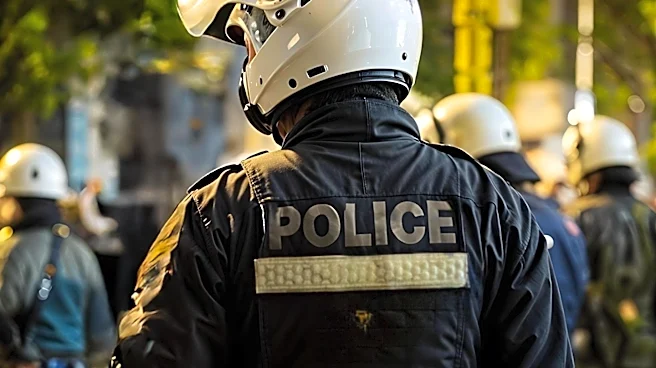
Turkish security forces detained at least nine individuals protesting a mobile phone ban at the HABAS steel factory in Aliaga, Izmir, on Friday. The ban was implemented after a major explosion at the plant earlier in the week, which killed 19 people,
including one person presumed dead. Workers arriving for their morning shift were instructed to leave their mobile phones at a security checkpoint, leading to protests at the facility's entrance. Oktay Turk, spokesman for the Aegean Workers' Collective, stated that he was among those detained. The Collective alleges that the phone ban, ordered by HABAS chairman Mehmet Rustu Basaran, who is currently under house arrest as part of the explosion investigation, aims to prevent workers from sharing images from inside the plant. The explosion occurred during a boiler replacement operation when an overhead crane collapsed, dropping 120 tonnes of molten steel onto an industrial furnace.
Why It's Important?
This incident highlights growing tensions between industrial management and labor in Turkey, particularly concerning workplace safety and transparency following industrial accidents. The workers' collective's claim that the mobile phone ban is intended to suppress information underscores broader concerns about corporate accountability and the free flow of information in crisis situations. The detention of protesters, including a workers' spokesman, could escalate labor disputes and draw international scrutiny regarding workers' rights and freedom of assembly in Turkey. The underlying issue of workplace safety at HABAS, which workers' groups describe as poor, is brought to the forefront, suggesting potential systemic issues within the industrial sector that could impact worker welfare and regulatory oversight.
What's Next?
The investigation into the explosion at the HABAS steel plant is ongoing, with 11 people initially detained, nine of whom have been ordered into pre-trial detention and two, including Chairman Mehmet Rustu Basaran, placed under house arrest. President Recep Tayyip Erdogan has vowed that those responsible will be held accountable. However, a parliamentary motion to launch a comprehensive investigation into the explosion was voted down by the ruling AKP party and its ally, the MHP, which may fuel further public discontent and protests. The Aegean Workers' Collective and other labor groups are likely to continue advocating for greater transparency, improved safety standards, and the protection of workers' rights, potentially leading to further demonstrations and legal challenges.
Beyond the Headlines
The mobile phone ban and subsequent detentions at the HABAS steel plant touch upon critical ethical and legal dimensions concerning corporate control over information, particularly in the aftermath of a tragedy. The alleged attempt to prevent workers from documenting conditions inside the plant raises questions about corporate transparency and the right to report on workplace safety issues. This situation could set a precedent for how industrial accidents are managed and communicated, potentially influencing future policies on worker surveillance and information sharing in high-risk industries. The broader societal implication involves the balance between corporate interests in managing public perception and the public's right to information regarding industrial safety and accountability.