






What's Happening?
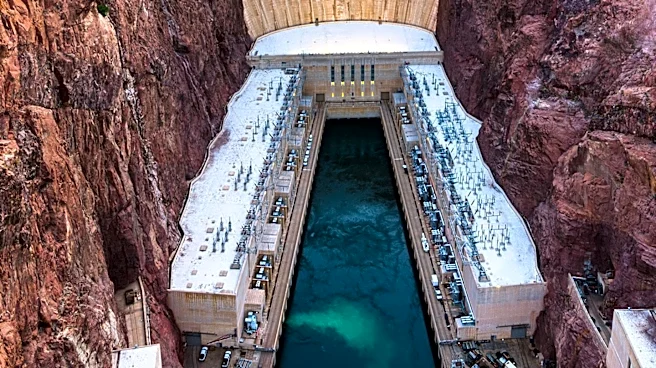
California's future water supplies are at a critical juncture, influenced by several intertwined challenges. A significant issue is the ongoing conflict over Colorado River water, which involves California and other Western states. Runoff from Rocky Mountain
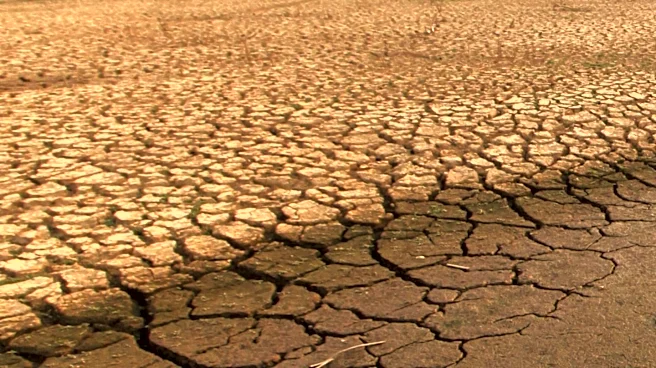
snow has been decreasing, leading to shrinking water levels in Lakes Mead and Powell, the two primary reservoirs on the Colorado River, and pushing them towards operational failure. Federal authorities have been pressing states to agree on managing these shortages, but a stalemate persists. While California is less dependent on the Colorado River than Nevada and Arizona, the broader water scarcity is exacerbated by reductions in groundwater farmers can draw from aquifers. Projections indicate that these water supply reductions could lead to as many as 900,000 acres of farmland being taken out of production. In response, major agricultural interests successfully lobbied the Legislature to facilitate the removal of farmland from open space preserves, allowing for the conversion of these lands into solar power arrays.
Why It's Important?
This situation is critically important for California's economy, environment, and agricultural sector. The dwindling water supplies threaten the state's agricultural output, which is a significant contributor to both the state and national economies. The potential loss of 900,000 acres of farmland underscores the severe economic consequences for farmers, farmworkers, and related industries. The conversion of agricultural land to solar farms, while addressing renewable energy goals, represents a fundamental shift in land use and raises questions about food security and the long-term viability of California's agricultural heritage. The ongoing disputes over the Colorado River highlight the broader regional challenges of water allocation in the face of climate change and increasing demand. The inability of states to reach a consensus on water management could lead to further legal battles and operational disruptions, impacting millions of residents and businesses across the Western U.S. This crisis also emphasizes the interconnectedness of water, energy, and land use policies.
What's Next?
The immediate future will likely involve continued negotiations and potential legal challenges regarding Colorado River water allocation. Federal authorities will persist in their efforts to broker agreements among the affected states. Within California, the conversion of agricultural land to solar power arrays is expected to accelerate, driven by both water scarcity and renewable energy incentives. This trend will necessitate careful planning to mitigate impacts on local communities, ecosystems, and food production. Policymakers will need to address the long-term implications of reduced agricultural land and explore strategies for sustainable water management, including investments in water conservation, recycling, and desalination technologies. The state may also face increasing pressure to develop more robust drought contingency plans and to re-evaluate existing water rights and usage policies. The outcomes of these battles will shape California's economic landscape and environmental future for decades to come.
Beyond the Headlines
The California water crisis and the conversion of farmland to solar arrays reveal a deeper societal tension between competing priorities: agricultural production, urban development, and renewable energy generation. This situation forces a re-evaluation of land value and resource allocation in a changing climate. It highlights the ethical dilemma of sacrificing one essential resource (food production) to secure another (clean energy), especially when both are critical for human well-being. The shift also points to the broader implications of climate change, which is exacerbating water scarcity and forcing difficult choices about land use. Furthermore, the political stalemate over the Colorado River underscores the challenges of inter-state cooperation on shared resources, reflecting a complex interplay of legal frameworks, economic interests, and environmental concerns. This scenario could serve as a precedent for other regions facing similar resource constraints, prompting a national conversation about sustainable resource management and equitable development.