
What's Happening?
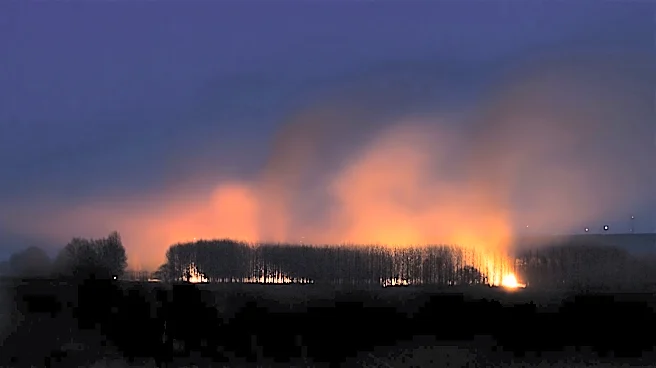
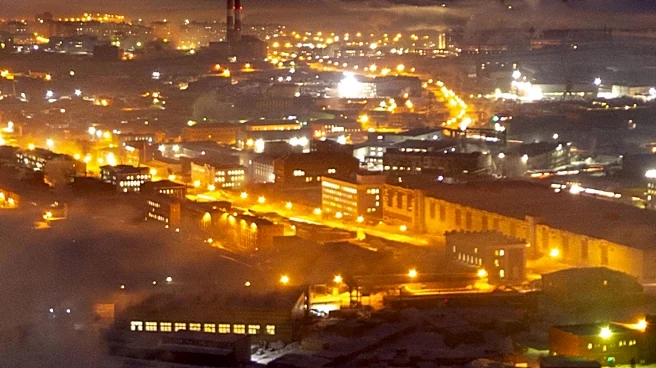
A meteorologist has linked a pale yellow haze over Reykjavík to smoke from Canadian wildfires. Einar Sveinbjörnsson, writing on his Blika weather blog, explained that the haze, which appeared after a sunny
afternoon, was likely caused by smoke transported across the Atlantic. Using HYSPLIT atmospheric trajectory modeling, he traced air parcels back to western Canada, suggesting the smoke traveled over the ocean in the past five to ten days. Air quality data showed increased levels of fine particulate matter, supporting the theory. This event highlights the potential for more frequent occurrences as climate change leads to warmer summers and more wildfires in North America.
Why It's Important?
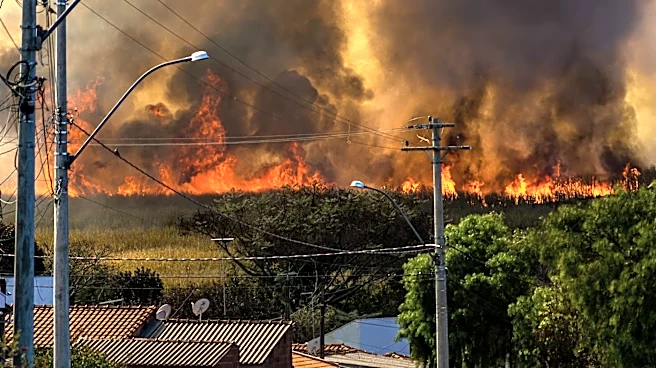
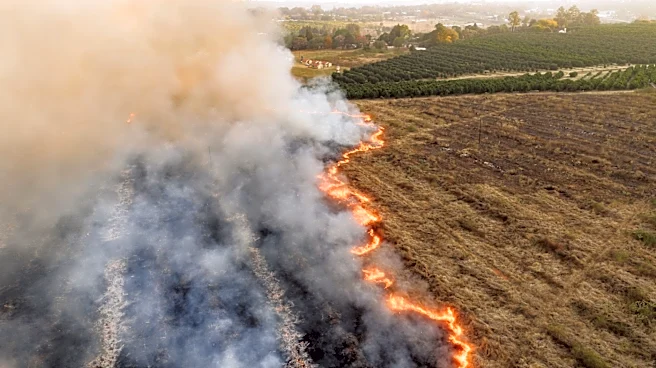
The haze over Reykjavík underscores the far-reaching impacts of climate change and wildfires, which are becoming more frequent and severe. This incident highlights the interconnectedness of global environmental issues, as smoke from Canadian wildfires affects air quality in Iceland. It raises concerns about the increasing frequency of such events due to climate change, which could have significant implications for public health and environmental policies. The situation also emphasizes the need for international cooperation in addressing climate change and its effects, as actions in one region can have consequences far beyond its borders.
What's Next?
As climate change continues to drive more frequent and intense wildfires, similar haze events could become more common in Iceland and other regions. This may prompt governments and environmental agencies to enhance monitoring and response strategies for air quality and public health. Additionally, there may be increased pressure on international bodies to address climate change more aggressively, focusing on reducing emissions and implementing sustainable practices. The situation could also lead to more research into the long-distance transport of pollutants and their impacts on distant regions.