

What's Happening?
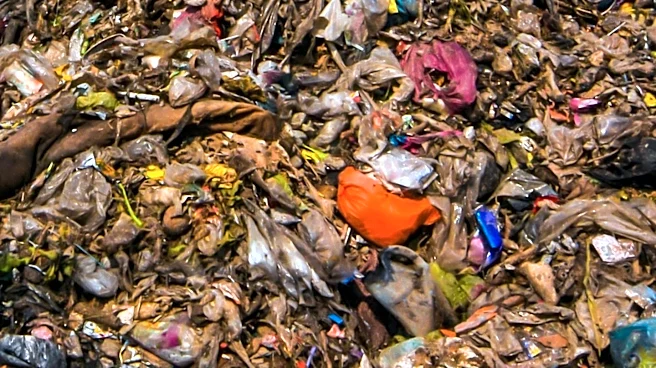
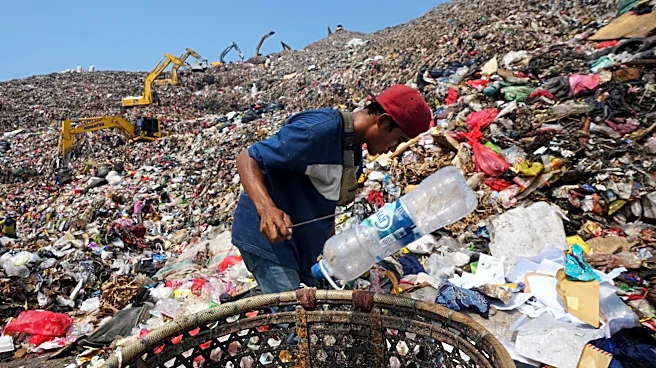
The United Arab Emirates (UAE) is significantly expanding its recycling and resource recovery projects in 2026, aiming to transition towards a circular economy. These initiatives focus on converting waste into valuable resources, reducing landfill dependence,
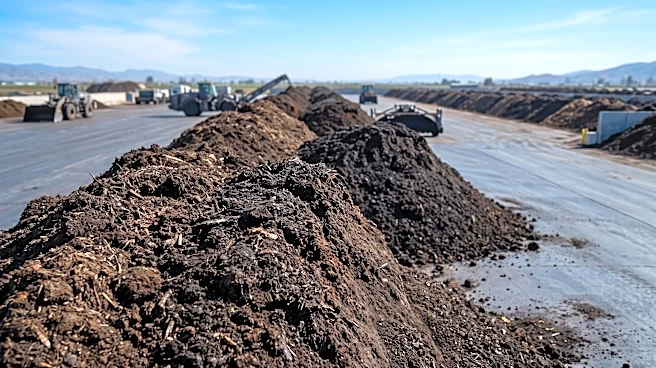
and improving resource efficiency. Key projects include biofuel production from used cooking oil, advanced organic waste processing, materials recovery, food waste reduction, and product reuse. For instance, ENOC Group and Dubai Municipality are collaborating to collect used cooking oil for conversion into biodiesel. Dibba Municipality plans to collect approximately 195,000 liters of used cooking oil annually, converting it into an estimated 176,000 liters of biofuel. Additionally, the UAE University and Emirates Biotech are researching anaerobic digestion and composting of organic waste, exploring hydrogen production from biogas.
Why It's Important?
These initiatives are crucial for the UAE's environmental sustainability and economic diversification efforts. By reducing waste sent to landfills, the country aims to mitigate environmental pollution and conserve natural resources. The conversion of waste into valuable products like biofuels, organic fertilizers, and recovered materials creates new economic opportunities and industries, fostering job creation and technological innovation. The focus on a circular economy model helps reduce reliance on virgin resources and promotes more sustainable consumption and production patterns. This strategic shift positions the UAE as a leader in sustainable development within the Middle East, potentially attracting further investment in green technologies and practices.
What's Next?
Several projects are slated for further development and expansion. Dibba Municipality intends to expand grease trap installations to 503 food establishments in 2027 to prevent oils and fats from entering sewerage networks. Tadweer Group's Al Ain Materials Recovery Facility, currently 50% complete, is expected to process 400,000 tonnes of municipal solid waste annually and divert about 60% from landfills once operational. KEZAD Group and BEEAH are collaborating on waste management across economic cities and free zones to enhance resource recovery. The Naseej initiative will continue addressing the estimated 220,000 tonnes of textile waste generated annually. The Ministry of Higher Education and Scientific Research and Tadweer Group will also continue Waste-to-Value workshops to promote innovation in waste conversion.
Beyond the Headlines
The UAE's comprehensive approach to a circular economy extends beyond mere waste management; it represents a fundamental shift in economic philosophy. By integrating waste prevention, recycling, and resource recovery into economic activity, the UAE is building resilience against resource scarcity and price volatility. This strategy also enhances the country's global reputation as a responsible environmental steward, potentially influencing regional and international policies. The emphasis on research and innovation, such as exploring hydrogen production from biogas, indicates a long-term commitment to advanced sustainable technologies. This holistic approach could serve as a model for other nations seeking to balance rapid economic growth with environmental protection.