





What's Happening?
The Tatum City Council voted to remove City Secretary Jacqueline “Jackie” Muckleroy following weeks of internal turmoil and disputes within Tatum City Hall. The vote was 3-1, with Councilman Wendell Moore casting the lone dissenting vote. Mayor Pro Tem
Tate Smith, who presided over the meeting, did not participate in the vote. Muckleroy's removal comes after she filed formal complaints alleging misconduct against Police Chief James Smith, Mayor Pro Tem Tate Smith, and Councilman Robin Palmer. These complaints included accusations of falsification of government records, abuse of official capacity, official oppression, and interference in municipal operations. Muckleroy also invoked protections under the Texas Whistleblower Act. The controversy also involved a complaint filed by Police Chief James Smith against Muckleroy, alleging workplace harassment and unauthorized conduct. The city's website lists the city secretary's responsibilities as maintaining official records, preparing meeting agendas, serving as the city's election official, and other duties, with Muckleroy also serving as finance director.
Why It's Important?
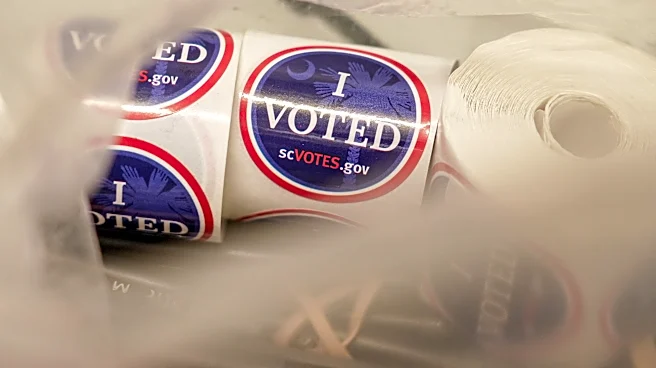
This event highlights significant governance challenges and potential ethical breaches within local U.S. municipal administration. The removal of a key city official like the City Secretary, especially amidst allegations of misconduct against multiple city leaders, can severely impact public trust and the effective functioning of local government. The accusations, ranging from falsification of records to official oppression and potential Texas Open Meetings Act violations, suggest a deep-seated conflict that could undermine democratic processes and accountability. The invocation of the Texas Whistleblower Act by Muckleroy indicates a serious attempt to expose alleged wrongdoing, which, if substantiated, could lead to legal repercussions and further destabilize the city's leadership. The dispute also raises questions about the transparency and integrity of local elections, particularly concerning allegations of illegal voting activity and voter eligibility issues involving Mayor Pro Tem Tate Smith. The ongoing turmoil could deter qualified individuals from seeking public office or employment within the city, impacting its long-term administrative stability.
What's Next?
The immediate next steps will likely involve Muckleroy's formal departure and the process of appointing an interim or new City Secretary. Given the serious nature of the allegations, investigations by external bodies, such as the Rusk County District Attorney's office, are probable. Muckleroy had already sent information concerning Tate Smith to the Rusk County DA and submitted a complaint regarding Councilman Robin Palmer, formally invoking the Texas Whistleblower Act. These complaints could trigger official inquiries into the conduct of the named city officials. The city of Tatum may also face legal challenges related to Muckleroy's termination, especially if her whistleblower claims are pursued. Public reaction and scrutiny are expected to continue, potentially influencing future local elections and demanding greater transparency from the city council. The city will need to address the leadership vacuum and restore public confidence, which may involve internal reviews of policies and procedures.
Beyond the Headlines
The Tatum City Hall dispute transcends a simple personnel matter, revealing deeper issues concerning power dynamics, accountability, and the protection of whistleblowers in local government. The allegations of officials attempting to influence governmental processes for personal or political reasons, and the reported pressure on employees, point to a potential culture of impunity that can erode the foundations of good governance. The controversy also underscores the vulnerability of local administrations to internal conflicts, especially when checks and balances are perceived to be weak or compromised. The reading of text messages during the council meeting, which allegedly raised questions about communications between city officials, highlights the increasing role of digital communication in documenting and exposing potential misconduct. This situation could serve as a case study for other U.S. municipalities on the importance of robust ethical guidelines, transparent complaint mechanisms, and independent oversight to prevent such disputes from escalating and undermining public service.