






What's Happening?
Researchers at the University of Minnesota are actively working to address the unique challenges of Alzheimer's disease and related dementias (ADRD) in rural communities. It is estimated that over 7 million Americans have Alzheimer's, and while the exact
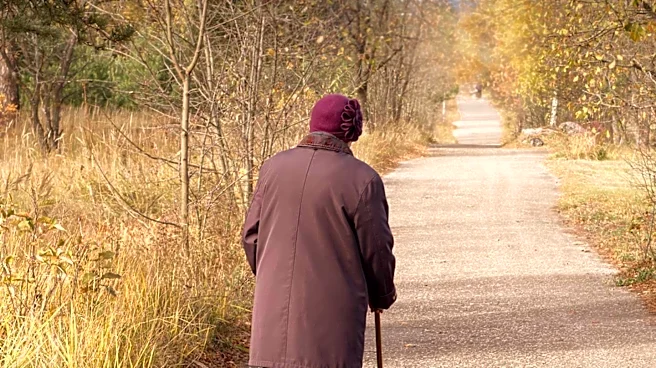
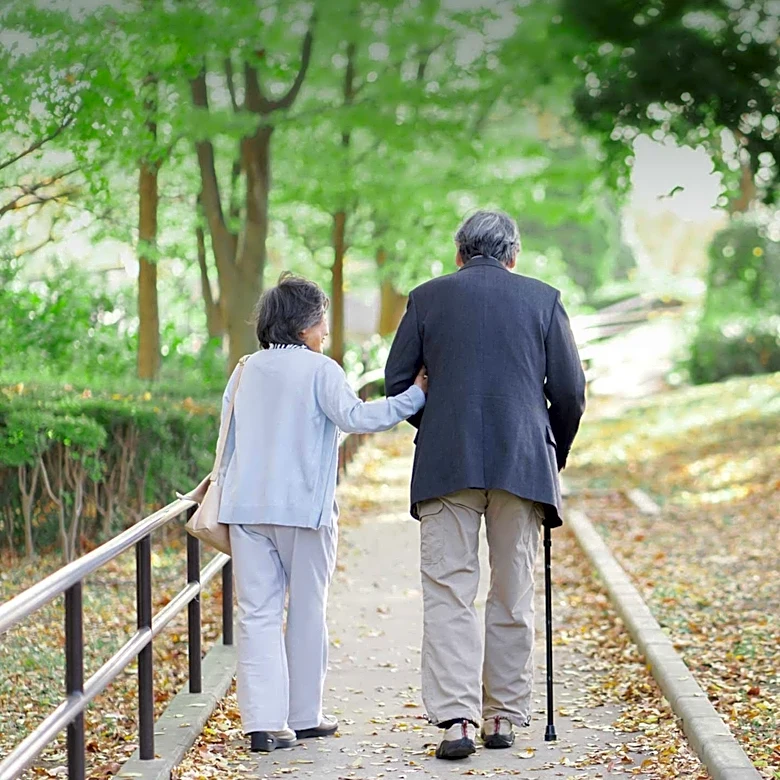
number of rural residents affected is unclear, studies indicate they face a higher prevalence of chronic health issues that increase ADRD risk. Rural residents often experience social isolation, limited access to healthcare, and transportation difficulties, leading to delayed diagnoses and suboptimal care. Cliff Whetung, a social worker and public health researcher, is focusing on Indigenous communities to improve dementia data accuracy and highlight the strengths of social connection in lowering dementia risk. Dereck Salisbury, an associate professor, is conducting a pilot study called MN Ride, providing exercise bikes and online coaching to rural residents, showing positive effects on mental health and physical quality of life. Joseph Gaugler is traveling across Minnesota to identify how rural communities are innovating dementia care independently, observing a 'dementia-friendly community movement' where local businesses and organizations adapt to support those with dementia.
Why It's Important?
The research from the University of Minnesota is vital because it directly confronts the disparities in Alzheimer's and dementia care between urban and rural areas. Rural communities often lack the infrastructure and resources available in urban centers, exacerbating the challenges faced by patients and caregivers. By tailoring interventions and research to the specific needs of rural populations, these initiatives aim to develop more equitable and effective care models. Whetung's work in Indigenous communities challenges existing narratives by focusing on community strengths, which could lead to culturally sensitive and effective prevention strategies. Salisbury's exercise program addresses a critical modifiable risk factor for dementia, while Gaugler's exploration of community-led initiatives highlights the potential for localized, innovative solutions. These efforts are crucial for improving diagnosis rates, access to care, and overall quality of life for millions of rural Americans affected by ADRD, ensuring that geographic location does not dictate the quality of dementia care.
What's Next?
Dereck Salisbury plans to seek grant funding to expand the MN Ride pilot study into a larger clinical trial across Northern Minnesota, aiming to gather more data on exercise's effects on cognitive changes and memory function. Joseph Gaugler will continue his travels across Minnesota's counties to document and learn from local dementia-friendly initiatives, with the goal of identifying scalable models for rural dementia care. Cliff Whetung's work with Memory Keepers will continue to document cultural understandings of dementia in native communities, providing quantitative research on the benefits of social cohesion. The collective findings from these researchers will inform public health strategies, policy recommendations, and the development of specialized care programs for rural and tribal communities. The University of Minnesota's ongoing commitment to this research underscores the need for diverse, community-specific approaches to address the complex and varied landscape of Alzheimer's and dementia care in the United States.
Beyond the Headlines
This research delves into the broader societal implications of health equity and access, particularly for vulnerable populations in rural and Indigenous communities. It highlights how social determinants of health, such as isolation, access to resources, and community infrastructure, profoundly impact health outcomes. The emphasis on community-led solutions and culturally sensitive approaches challenges the traditional top-down model of healthcare delivery, advocating for a more participatory and localized approach. The findings could influence policy decisions regarding rural healthcare funding, infrastructure development, and the integration of social support networks into formal care systems. Furthermore, by showcasing the resilience and innovative spirit within these communities, the research offers a powerful counter-narrative to the often-negative portrayal of rural health challenges, emphasizing the potential for local solutions to global health problems. It underscores the idea that effective healthcare must be deeply embedded within the social and cultural fabric of the communities it serves.