



What's Happening?
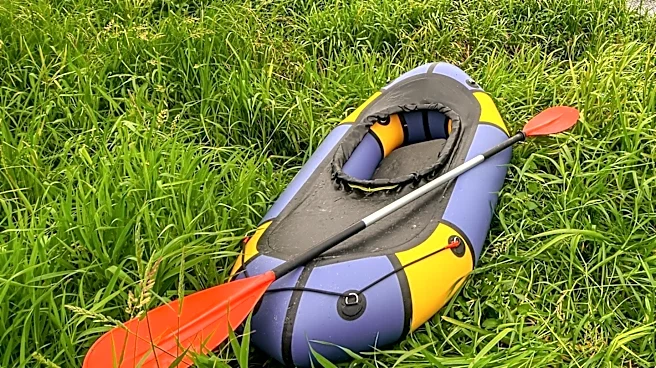
The Sterling Heights City Council has approved the acquisition of the Clinton River Canoe and Kayak launch property. This purchase is a key component of a larger initiative to transform an existing park into a 60-acre contiguous recreational area along
the Clinton River. The plan involves connecting the newly acquired canoe rental site to the nearby Rotary Park, located on Utica near Hayes Road, and integrating the historical ruins of Belvedere Park, which was a private venue in the 1920s. The acquisition includes both the land and the assets of the existing canoe and kayak business. Sterling Heights is investing $600,000 for four parcels of land totaling 60 acres and an additional $485,000 for the company's assets. City officials anticipate construction to commence in spring 2027, with completion expected one year later. The project aims to preserve mature woodlands and wildlife habitats, maintaining a natural corridor along the river. Funding for this development is partially sourced from a Michigan Natural Resources Trust Fund grant secured in 2022, and further supported by the Pathway to Play and Preservation millage, approved by local voters in 2024 for pathway expansion, park improvements, residential tree planting, and land preservation citywide.
Why It's Important?
This acquisition and subsequent park expansion represent a significant investment in public recreational infrastructure for Sterling Heights residents and the broader region. The creation of a 60-acre connected open space along the Clinton River will enhance community well-being by providing increased access to nature, outdoor activities like canoeing, kayaking, and biking, and improved park amenities such as refurbished playgrounds, basketball courts, and boardwalks. This initiative also underscores a commitment to environmental preservation, as it aims to protect mature woodlands and wildlife habitats. The integration of historical sites like Belvedere Park into the recreational area offers educational and cultural benefits, connecting residents with the area's past. Economically, such developments can boost local tourism and property values, while the millage funding mechanism demonstrates direct community support for these types of quality-of-life improvements. The project also highlights the importance of inter-agency cooperation, with funding from state grants complementing local voter-approved measures, ensuring a comprehensive approach to urban planning and environmental stewardship.
What's Next?
Following the acquisition, Sterling Heights plans to proceed with a second phase of an environmental study on the property, building upon the initial phase already completed. A critical next step involves completing a baseline environmental assessment (BEA) within 45 days of the property purchase. This assessment is crucial for protecting the new property owner and taxpayers from potential liabilities associated with pre-existing contamination, such as underground storage tanks containing petroleum or hazardous substances. Construction is slated to begin in spring 2027, with a projected completion date one year later. The refurbished Rotary Park is expected to feature new amenities including restrooms, adult changing tables, a canoe rental hub, a basketball court, a boardwalk, historical tributes, and an upgraded playground. Councilman Michael Radtke Jr. emphasized the creation of a 60-acre park that will connect to other parks via pathways, including a dedicated bike-only pathway, indicating future developments in trail connectivity.
Beyond the Headlines
The development in Sterling Heights extends beyond immediate recreational benefits, touching upon broader themes of urban green space development, environmental responsibility, and community engagement. The emphasis on preserving mature woodlands and wildlife habitat reflects a growing awareness of ecological conservation within urban planning. The requirement for a baseline environmental assessment highlights the complex legal and environmental due diligence involved in land acquisition, particularly for properties with potential historical industrial use. This case also illustrates the power of local voter initiatives, such as the Pathway to Play and Preservation millage, in directly funding and shaping community development projects. Furthermore, the creation of interconnected park systems, including bike-only pathways, aligns with contemporary urban design principles that prioritize walkability, bikeability, and access to nature, contributing to public health and sustainable living. The project serves as a model for how municipalities can leverage various funding sources and community support to create significant public assets.