







What's Happening?
A new Ebola outbreak in the Democratic Republic of the Congo, driven by the illegal gold trade, is causing significant concern among health officials. The outbreak, which began in early May 2026, is attributed to the rare Bundibugyo strain of the virus,
for which no approved vaccines or specific treatments exist. The epicenter of the crisis is in the mining zones of Ituri Province, where unregulated gold mining is rampant. This activity has led to deforestation and increased human contact with wildlife, such as fruit bats, which are natural carriers of the Ebola virus. The World Health Organization (WHO) has declared the situation a Public Health Emergency of International Concern, as the virus has already spread to neighboring Uganda. The outbreak is exacerbated by armed conflict and public distrust, which hinder medical aid efforts.
Why It's Important?
The outbreak poses a significant threat to regional and global health security. The lack of vaccines for the Bundibugyo strain complicates containment efforts, increasing the risk of further spread. The illegal gold trade not only fuels the outbreak but also highlights the broader issue of unregulated mining and its impact on public health. The situation underscores the need for international cooperation in addressing both the health crisis and the underlying economic activities that contribute to such outbreaks. The spread of the virus to Uganda raises concerns about its potential to reach other countries, necessitating urgent international response and support.
What's Next?
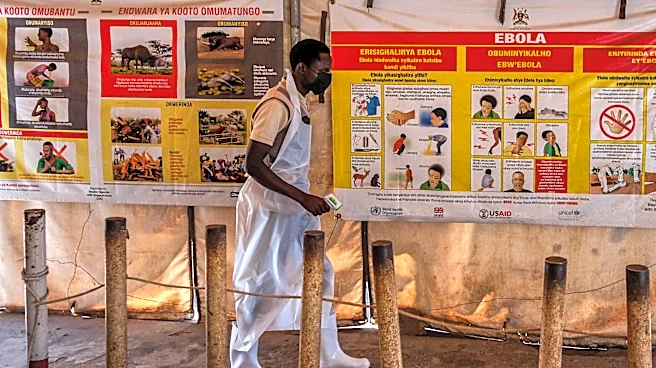
Efforts are underway to establish isolated treatment units and educate mining communities about the virus. However, the ongoing armed conflict and distrust of authorities present significant challenges. International medical teams are mobilizing to provide aid, but the success of these efforts will depend on overcoming logistical hurdles and gaining the trust of local populations. Monitoring the movement of people in and out of mining areas is crucial to containing the outbreak. The international community may need to consider broader interventions to address the root causes of the crisis, including the regulation of the gold trade and support for conflict resolution in the region.
Beyond the Headlines
The outbreak highlights the complex interplay between economic activities, environmental changes, and public health. The illegal gold trade not only contributes to the spread of disease but also reflects broader issues of governance and economic inequality in the region. Addressing these challenges requires a multifaceted approach that includes strengthening health systems, promoting sustainable economic development, and enhancing regional cooperation. The situation also raises ethical questions about the responsibilities of global industries that benefit from resources extracted under such conditions.