



What's Happening?
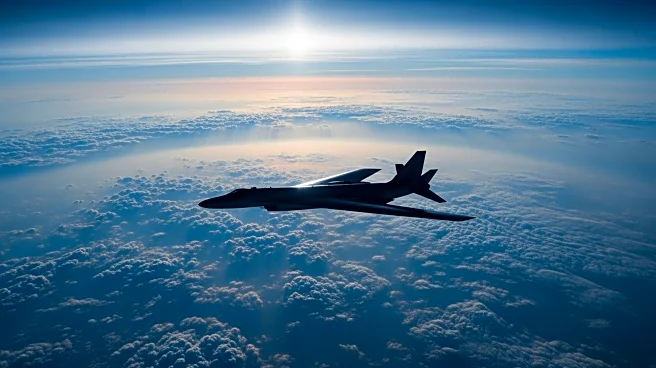
The U.S. Air Force's Bomber Task Force has been actively deploying its bomber fleet globally to demonstrate its strategic reach and deterrence capabilities. The deployments, which include B-1B Lancer, B-2 Spirit, and B-52H Stratofortress bombers, are
part of a mission to reassure allies and deter potential adversaries. These operations have been conducted in regions such as East Asia, Europe, and the Middle East, with a focus on maintaining a rules-based order and enhancing regional security. The B-21 Raider, a new stealth bomber, is also undergoing testing and is expected to become operational in the mid-2020s.
Why It's Important?
The global deployment of the U.S. bomber fleet underscores the country's commitment to its allies and its strategic deterrence capabilities. By projecting power in key regions, the U.S. aims to deter aggression from nations like China, North Korea, and Russia. These operations not only enhance military readiness but also strengthen alliances, particularly with NATO, Japan, and South Korea. The presence of U.S. bombers in strategic locations serves as a reminder of the U.S.'s ability to respond swiftly to any potential crisis, thereby contributing to global stability.
What's Next?
The U.S. military is expected to continue its bomber deployments in the coming year, potentially increasing its presence in regions like the Caribbean amid ongoing geopolitical tensions. The introduction of the B-21 Raider will further enhance the U.S.'s strategic capabilities, allowing for more advanced and stealthy operations. As global tensions persist, the U.S. will likely maintain its focus on strategic deterrence and alliance-building to counter potential threats.