
What's Happening?
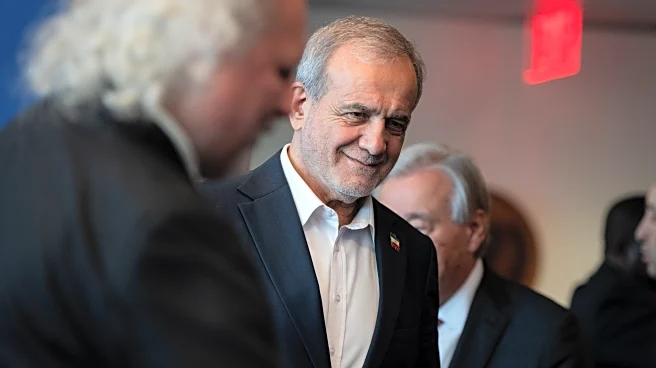
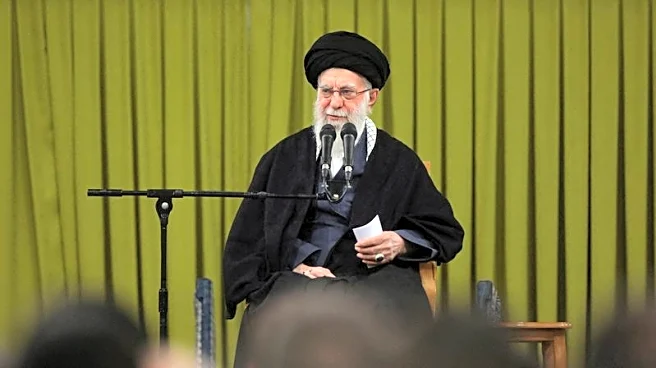
Steve Witkoff, the US envoy under President Trump, engaged in extensive discussions with Israeli Prime Minister Benjamin Netanyahu and top security officials regarding Iran's nuclear program. The meeting,
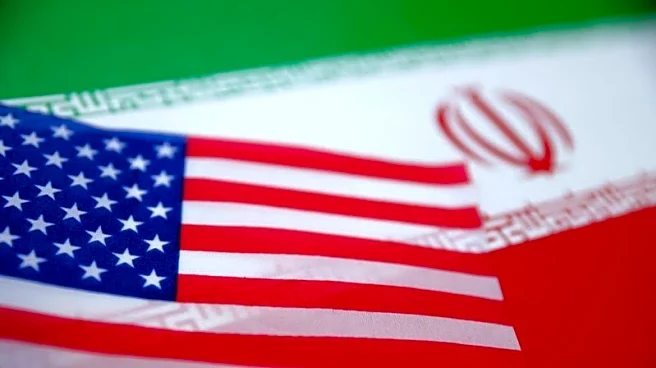
which lasted over three hours, was held in anticipation of upcoming US-Iran talks in Istanbul. Israel presented its non-negotiable conditions for any agreement with Iran, including zero uranium enrichment and the removal of Iran's enriched uranium stockpile. Concurrently, tensions escalated with reports of military incidents in the Persian Gulf, including an attempted hijacking of an American tanker and the downing of an Iranian drone. Iran has also introduced new demands, complicating the diplomatic landscape.
Why It's Important?
The discussions underscore the high stakes involved in the US-Iran negotiations, with potential implications for regional stability and international security. Israel's firm stance reflects its security concerns over Iran's nuclear capabilities and regional influence. The outcome of these talks could significantly impact US foreign policy and its relations with Middle Eastern allies. A failure to reach a satisfactory agreement might lead to increased military tensions, while a successful negotiation could alter the geopolitical dynamics in the region. The US's approach to these talks will be closely watched by global powers and could influence future diplomatic strategies.
What's Next?
The initial meeting between US and Iranian representatives is critical, with further negotiations expected to continue for an extended period if they do not collapse initially. The US must decide how to respond to Iran's new demands and whether to maintain its military presence in the region. The involvement of Jared Kushner, known for his diplomatic acumen, is seen as a positive development by Israel. The US's ability to extract concessions from Iran will depend on its resolve and strategic approach. The potential for military action remains if diplomatic efforts fail to yield the desired outcomes.
Beyond the Headlines
The negotiations highlight the complex interplay of diplomacy and military strategy in addressing nuclear proliferation. The US's willingness to engage in talks despite Iran's provocations may be perceived as a sign of diplomatic flexibility or weakness, depending on the outcome. The situation also raises ethical questions about the balance between diplomatic engagement and military intervention. The broader implications for international non-proliferation efforts and regional power dynamics will be significant, influencing future policy decisions and alliances.