






What's Happening?
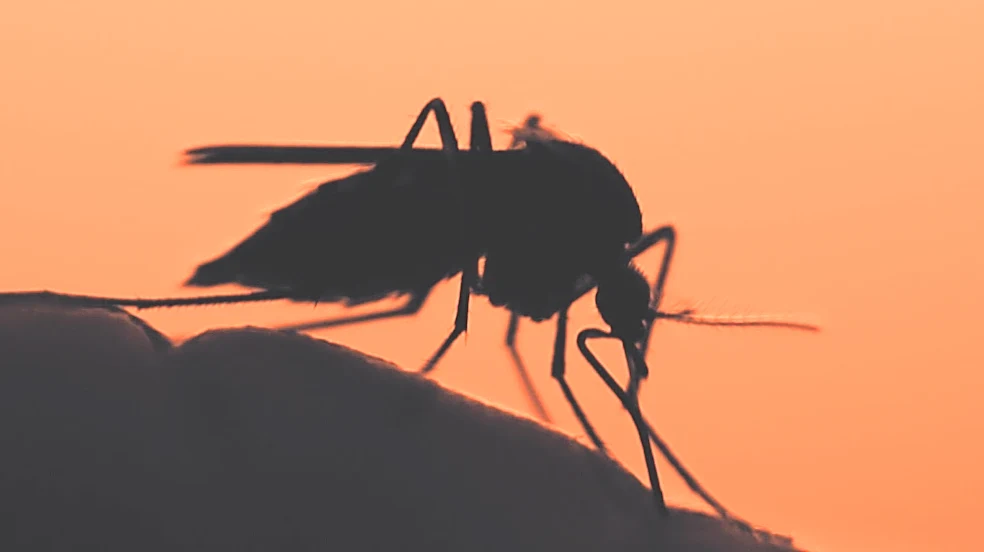
Santa Barbara County is experiencing an extended mosquito season, with activity projected to continue until mid-November, according to Brian Cabrera, General Manager of the Santa Barbara County Mosquito and Vector Management District. This year, the season began
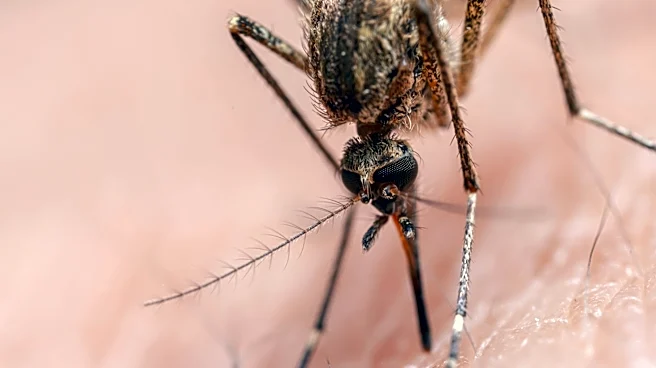
in March, indicating a longer period of mosquito activity compared to previous years. The district has also confirmed the discovery of two non-native mosquito species: the Yellow fever mosquito and the Australian backyard mosquito. The Yellow fever mosquito, capable of transmitting serious viruses such as Yellow fever, Dengue fever, and the Zika virus, was found in an isolated area of Carpinteria in July. The Australian backyard mosquito, known for its aggressive daytime biting and as a vector for heart-worm in dogs, has been identified in the Westside neighborhood of Santa Barbara. While no cases of West Nile virus have been detected locally this year, Los Angeles County has reported 216 cases, including 10 fatalities. The district is actively monitoring the situation, sending traps to a UC Davis lab for testing, and providing free mosquito-eating fish to the public.
Why It's Important?
The extended mosquito season and the presence of non-native, disease-carrying mosquito species in Santa Barbara County pose significant public health concerns. The Yellow fever mosquito's ability to transmit Yellow fever, Dengue fever, and Zika virus introduces new risks for vector-borne illnesses in the region, potentially leading to increased disease incidence and strain on local healthcare systems. The aggressive nature of the Australian backyard mosquito, coupled with its role in transmitting heart-worm to dogs, impacts both human comfort and pet health. The longer mosquito season means residents are exposed to these risks for an extended period, necessitating sustained public health interventions and individual protective measures. The situation highlights the evolving challenges in vector control, driven by factors such as climate patterns and global travel, which can facilitate the introduction and establishment of new mosquito species. Effective management is crucial to prevent outbreaks and protect the well-being of the community.
What's Next?
The Santa Barbara County Mosquito and Vector Management District will likely continue its heightened surveillance and control efforts through mid-November, or as long as mosquito activity persists. This includes ongoing trapping, testing of mosquito samples for viruses, and public outreach campaigns to educate residents on preventative measures. The district will also continue to provide resources like mosquito-eating fish to help residents manage mosquito populations on their properties. Given the discovery of non-native species, there may be increased focus on targeted interventions in affected areas to prevent their further spread and establishment. Public health officials will closely monitor for any human cases of diseases transmitted by these mosquitoes, such as Dengue or Zika, and will be prepared to implement further control strategies if outbreaks occur. Residents are encouraged to remain vigilant in eliminating standing water and using personal protective measures against mosquito bites.
Beyond the Headlines
The emergence of non-native mosquito species and an extended mosquito season in Santa Barbara County reflects broader ecological and public health trends. Climate change, with its potential to create warmer and longer periods suitable for mosquito breeding, is a significant underlying factor. This shift can alter the geographical range of various mosquito species and the duration of their active seasons, increasing the window for disease transmission. The introduction of species like the Yellow fever mosquito also underscores the interconnectedness of global ecosystems and the ease with which invasive species can be transported, often through international trade and travel. This situation highlights the need for robust and adaptive vector control programs that can respond to new threats and changing environmental conditions. It also emphasizes the importance of public awareness and community participation in mosquito control efforts, as individual actions like eliminating standing water can collectively reduce breeding grounds and mitigate public health risks.