






What's Happening?
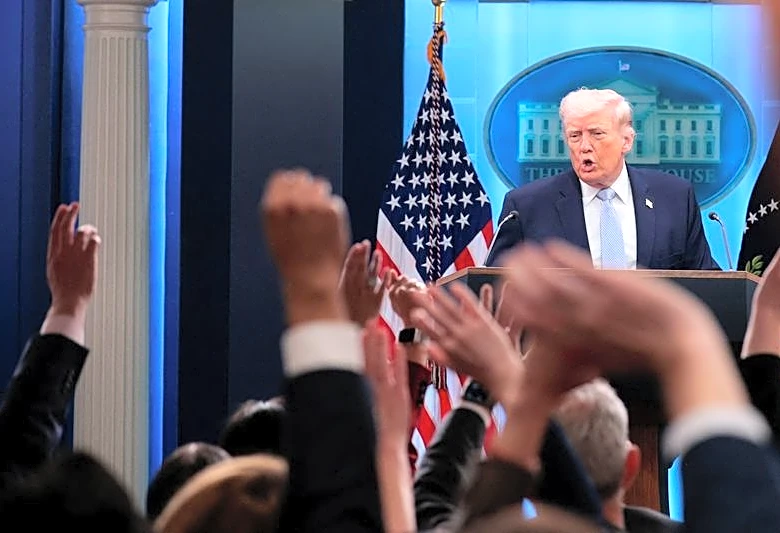
The U.S. Senate is preparing to counter any potential move by President Trump to exit NATO, following his recent criticisms of the alliance. Legislation passed in 2023 requires a supermajority of the Senate to consent to any presidential decision to leave
NATO. This measure, supported by bipartisan efforts, aims to reassure NATO allies of continued U.S. commitment. Despite President Trump's critical stance, the Senate remains firm in its support for the alliance, emphasizing its importance for global security. The legislation reflects a broader effort to maintain U.S. involvement in international alliances despite executive branch pressures.
Why It's Important?
NATO has been a cornerstone of U.S. foreign policy and global security since its inception. President Trump's potential withdrawal from the alliance could have significant geopolitical implications, weakening collective defense mechanisms and altering international relations. The Senate's proactive stance underscores the importance of maintaining strong alliances, particularly in the face of global security challenges. A U.S. exit from NATO could destabilize the alliance and embolden adversaries, impacting both U.S. and global security interests.
What's Next?
The Senate will continue to engage with NATO allies to reassure them of U.S. commitment. The legislative requirement for Senate approval to exit NATO serves as a safeguard against unilateral executive action. However, the administration's stance may still influence NATO's operational dynamics. Ongoing diplomatic efforts will be crucial in maintaining alliance cohesion and addressing any concerns arising from the president's rhetoric. The situation will require careful navigation to balance domestic political considerations with international security commitments.