





What's Happening?
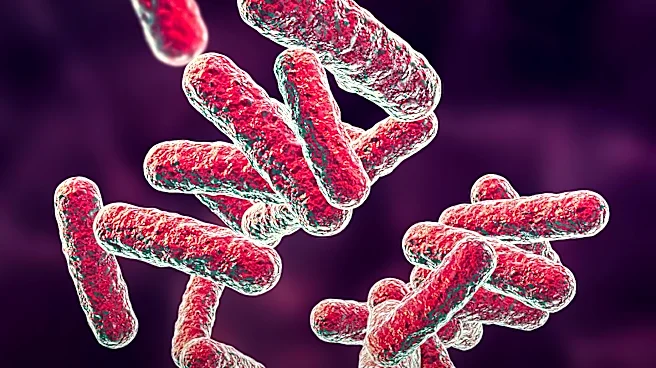
Prebiotics are a type of carbohydrate, specifically fiber, that the human digestive system cannot break down. Instead of being digested, they pass through to the gut where they serve as food for beneficial bacteria already present. This relationship is often
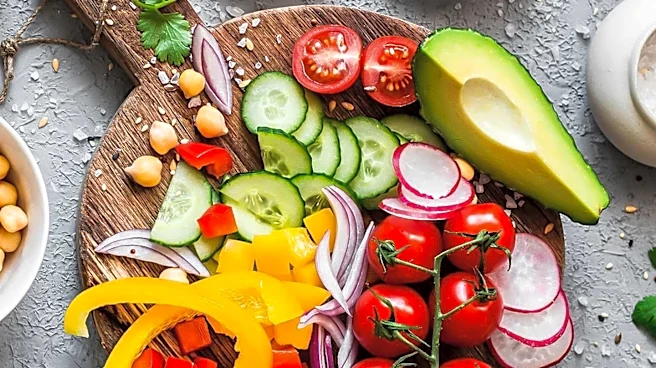
described as probiotics being the 'seeds' planted in the gut microbiome, and prebiotics acting as the 'fertilizer' that helps them grow. Common natural sources of prebiotics include garlic, onion, asparagus, legumes, whole grains, and unripe bananas. Additionally, chicory root fiber and inulin are frequently used as prebiotic additives in processed foods like granola bars and cereals. While probiotics introduce live microorganisms to the gut, prebiotics nourish the existing beneficial microbes, highlighting that supporting a healthy gut microbiome involves both adding bacteria and providing the necessary dietary substrates for their growth.
Why It's Important?
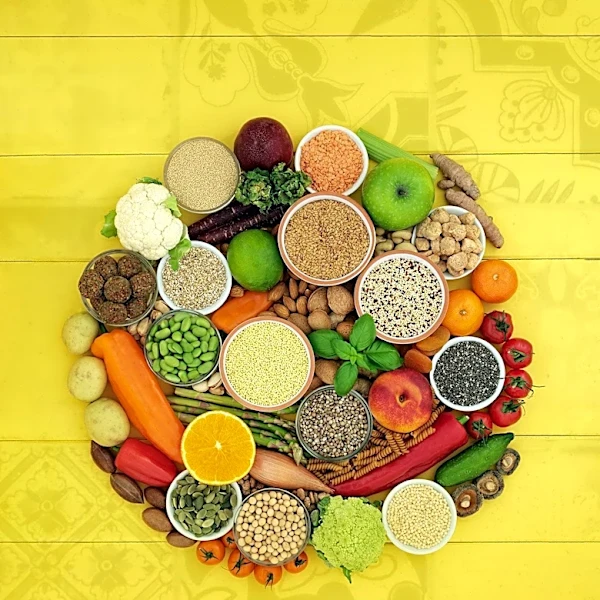
The role of prebiotics is crucial for maintaining a healthy gut microbiome, which in turn has broader implications for overall health. By feeding beneficial bacteria, prebiotics contribute to a balanced gut environment that can aid in food breakdown, immune system communication, and inflammation regulation. For individuals in the U.S., where diets can often be low in fiber, understanding and incorporating prebiotic-rich foods is vital. Many people may benefit from combining prebiotics and probiotics, often found in 'synbiotic' products, as prebiotics enhance the effectiveness of probiotics. A diverse, fiber-rich diet, including fruits, vegetables, whole grains, legumes, nuts, and seeds, is key to nourishing a diverse gut microbiome, potentially reducing reliance on supplements for healthy individuals. This dietary approach can contribute to improved digestive health and overall well-being across the population.
What's Next?
The increasing awareness of gut health and the distinct roles of prebiotics and probiotics suggests a continued focus on dietary interventions and product development. Consumers can expect to see more food products fortified with prebiotics, such as those containing chicory root fiber or inulin. There will likely be a growing emphasis on educating the public about the importance of a fiber-rich diet to naturally support gut health, potentially leading to shifts in dietary recommendations and food choices. Healthcare professionals, including dietitians, will continue to advise on the appropriate intake of prebiotics, especially for individuals with specific health conditions or those considering supplements. The market for synbiotic products, which combine both prebiotics and probiotics, is also likely to expand as research further elucidates their combined benefits.
Beyond the Headlines
The distinction between prebiotics and probiotics highlights a more nuanced understanding of gut health, moving beyond simply adding 'good bacteria' to fostering an environment where these bacteria can thrive. This shift has ethical implications for food labeling and marketing, ensuring consumers are well-informed about the specific benefits of different products. Culturally, it encourages a return to whole, unprocessed foods rich in natural fibers, challenging the reliance on supplements as a sole solution for health. Legally, as the science evolves, there may be increased scrutiny on health claims made by food and supplement manufacturers regarding gut health. The long-term societal impact could include a reduction in diet-related illnesses and an overall improvement in public health, driven by a more holistic approach to nutrition and gut microbiome support.