






What's Happening?
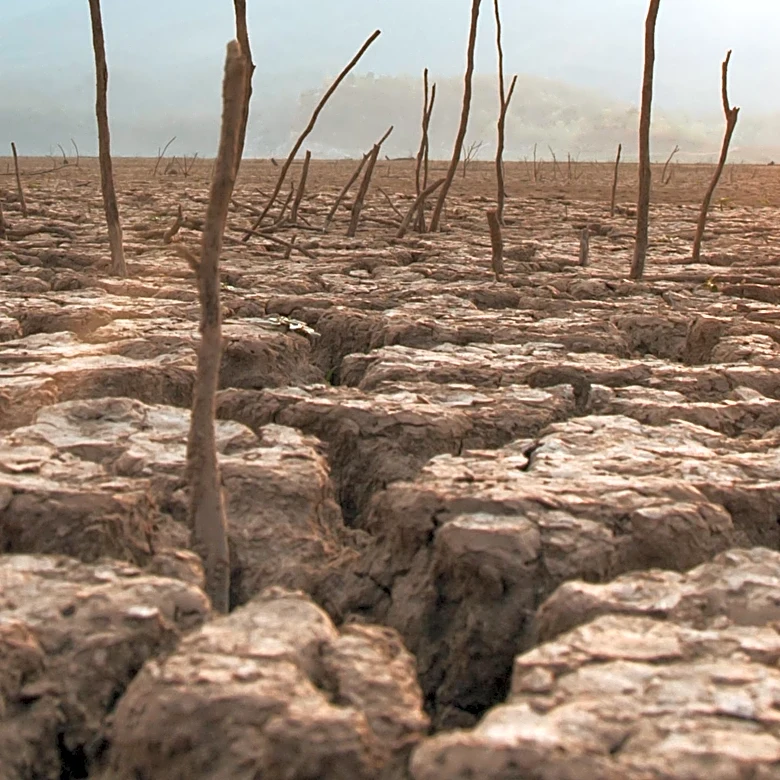
The UK is experiencing an unprecedented frequency and intensity of heatwaves, with 2026 marking its sixth heatwave of the year, making it the longest and hottest summer on record for the UK and much of Europe. Dr. Tim Fox, chair of IMechE’s Climate Change
Adaptation Working Group, notes that current climate scenarios are trailing behind observed environmental changes, with conditions expected in the late 2040s or 2050s already manifesting. This acceleration of climate extremes is creating paradoxical pressures for engineers. Infrastructure and housing must be designed to withstand periods of significantly less rainfall followed by intense downpours, and buildings need to remain cool in scorching summers while also providing warmth during potentially much colder winters. These conflicting demands highlight a critical challenge in adapting to a rapidly changing climate, where traditional design parameters are no longer sufficient. The Institution of Mechanical Engineers (IMechE) has released a report, 'Preparing the UK for Compound Events,' which asserts that the UK is inadequately prepared for the climate domino effect, where one extreme weather event triggers others, leading to cascading risks across various sectors.
Why It's Important?
The accelerating pace of climate change, as evidenced by the UK's record-breaking heatwaves, underscores a critical need for immediate and adaptive engineering solutions. The paradoxical pressures on engineers—designing for both extreme heat and potential colder winters, and for droughts followed by floods—reveal a fundamental challenge to existing infrastructure and planning paradigms. This situation is important because it highlights the inadequacy of current climate models and adaptation strategies, which are failing to keep pace with real-world changes. The IMechE report's finding that the UK is 'preparing for yesterday’s weather while tomorrow’s climate has already arrived' signifies a dangerous gap in preparedness. Failure to address these engineering challenges could lead to widespread infrastructure failures, impacting essential services like power, transport, healthcare, and supply chains. The potential for a slowdown or collapse of the Atlantic Meridional Overturning Circulation (Amoc) further complicates matters, threatening to drastically alter the UK's climate and severely impact food production. This scenario has significant implications for economic stability, public safety, and national resilience, emphasizing the urgent need for innovative, flexible, and forward-looking engineering approaches.
What's Next?
Engineers are being urged to adopt 'no-regrets decision-making' and incorporate adaptation pathways into their designs, allowing for incremental adjustments as climate risks evolve. This approach involves designing infrastructure that can be modified or enhanced later to cope with changing conditions, such as making provisions for colder winters while designing for hotter summers. The IMechE report recommends stress-testing infrastructure against compound events and high-impact, low-likelihood scenarios. Specific measures called for include transferring climate adaptation responsibility to the Cabinet Office, mandating adaptation reporting for critical national infrastructure, and investing in adaptation research. The Thames Estuary 2100 (TE2100) plan is cited as a model for combining long-term objectives with flexibility in implementation. Furthermore, the integration of cutting-edge techniques and technologies, such as advanced sensors, digital monitoring, predictive analytics, and AI-enabled tools, is expected to help identify emerging vulnerabilities before failures occur. The focus will also be on developing integrated neighborhood designs that consider water cycles, energy, carbon, and biodiversity to create more sustainable and climate-resilient communities.
Beyond the Headlines
The accelerating climate extremes and the resulting paradoxical engineering challenges highlight a deeper societal and ethical imperative. The current situation forces a re-evaluation of our relationship with the environment and the long-term sustainability of our built world. The concept of 'no-regrets decision-making' extends beyond engineering to policy and societal planning, suggesting that investments in adaptive measures are beneficial regardless of the precise future climate scenarios. This shift in thinking acknowledges the inherent uncertainties of climate change while promoting proactive resilience. The potential collapse of the Amoc, though a low-probability event, underscores the interconnectedness of global climate systems and the possibility of abrupt, non-linear changes with far-reaching consequences. This necessitates a more holistic and interdisciplinary approach to climate adaptation, integrating engineering with urban planning, social sciences, and governance. The emphasis on community-led solutions and integrated neighborhood designs also points towards a cultural shift, empowering local communities to participate in shaping their climate-resilient futures and fostering a sense of collective responsibility.