
What's Happening?
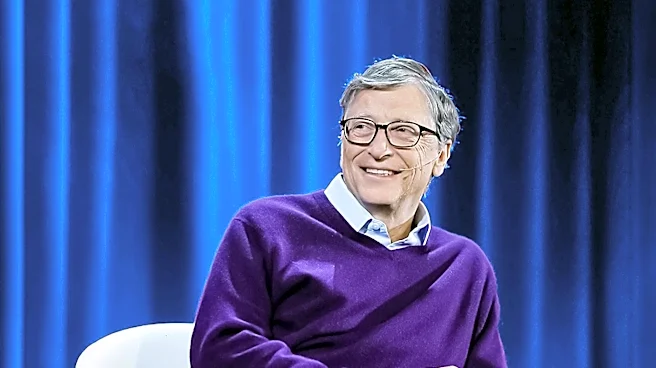
Microsoft co-founder Bill Gates has issued a warning regarding the escalating threat of unregulated artificial intelligence, specifically predicting a surge in AI-powered cyberattacks within the next year.
Gates emphasized that the immediate danger stems from "bad people" exploiting existing AI systems without proper safeguards. He clarified that the risk of AI becoming uncontrollable is a long-term concern, years away from significant impact. Instead, the more pressing issue is the current ability to remove safeguards from AI models, allowing malicious actors to utilize advanced AI for cyberattacks and potentially bioterrorism. Gates highlighted that the cyber domain is where the most dramatic negative surprises are expected in the coming year due to this lack of regulation and the misuse of AI.
Why It's Important?
This warning from Bill Gates carries significant weight due to his extensive background in technology and his previous accurate predictions regarding global challenges. The potential for AI-powered cyberattacks poses a substantial threat to U.S. industries, critical infrastructure, and national security. Such attacks could lead to widespread disruption, economic instability, and the compromise of sensitive data. The lack of safeguards in current AI models, as highlighted by Gates, creates a vulnerability that could be exploited by state-sponsored actors, criminal organizations, or even individuals. This situation underscores the urgent need for robust regulatory frameworks and international cooperation to prevent the misuse of AI, protecting both public and private sectors from unprecedented cyber threats. The economic impact of successful large-scale cyberattacks could be devastating, affecting everything from financial markets to essential services.
What's Next?
Gates's statements suggest a call for increased restrictions on AI development and deployment to prevent malicious use. This could lead to intensified discussions among policymakers, tech leaders, and international bodies regarding AI regulation. We might see proposals for new legislation aimed at implementing mandatory safeguards in AI systems and establishing clearer accountability for their misuse. There could also be a push for enhanced cybersecurity measures across various sectors, including government, finance, and critical infrastructure, to prepare for and defend against more sophisticated AI-driven attacks. Furthermore, the tech industry itself may face pressure to develop and integrate stronger ethical guidelines and security protocols into AI development, moving away from self-regulation towards more externally enforced standards.
Beyond the Headlines
The deeper implication of Gates's warning touches upon the ethical responsibility of technology developers and the broader societal impact of rapidly advancing AI. The idea that "bad people" can easily strip away safeguards from powerful AI models raises fundamental questions about the design and deployment of such technologies. It highlights a potential arms race in the cyber domain, where defensive measures struggle to keep pace with offensive AI capabilities. This scenario could lead to a significant shift in how cybersecurity is approached, moving from reactive defense to proactive, anticipatory strategies. Moreover, the mention of bioterrorism alongside cyberattacks underscores the dual-use nature of advanced AI and biotechnology, presenting a complex challenge that requires interdisciplinary solutions and a global commitment to responsible innovation.