




What's Happening?
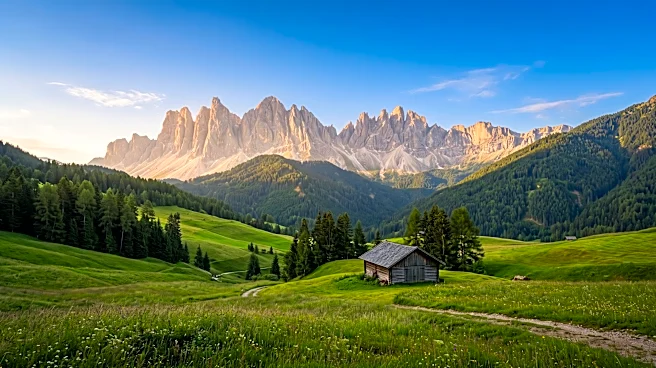
Reinhold Messner, a renowned mountaineer, has advocated for a 'slot system' to manage overtourism across the entire Dolomites region. This proposal suggests that tourists would need to reserve a ticket, similar to museum entry, before traveling to specific
areas like Val di Funes. If a valley reaches its capacity, no further tickets would be issued for that day or potentially the next, encouraging visitors to explore less crowded destinations. Messner highlighted that he had raised concerns about overtourism in his home valley of Funes two decades ago, but his warnings were largely unheeded. He believes that with current artificial intelligence capabilities, implementing such a system would not be problematic. The system aims to distribute tourists more evenly across the Dolomites, including less visited areas like Belluno, which Messner notes has beautiful parts of the Dolomites but significantly fewer visitors.
Why It's Important?
The implementation of a slot system in the Dolomites could serve as a significant precedent for managing overtourism in other popular natural and cultural sites globally. This approach directly addresses the strain on local resources and infrastructure caused by excessive visitor numbers, which can degrade the environment and diminish the quality of the tourist experience. By controlling access, the system could help preserve the natural beauty and ecological balance of sensitive areas like the Dolomites. Economically, while it might initially deter some spontaneous travel, it could lead to a more sustainable and equitable distribution of tourism revenue, benefiting a wider range of local communities. The proposal also emphasizes the need for regional cooperation, as Messner suggests that South Tyrol, Trentino, and Belluno should collectively adopt such measures to ensure effectiveness and prevent displacement of overtourism to adjacent regions. This collaborative model could be crucial for other multi-jurisdictional tourist destinations facing similar challenges.
What's Next?
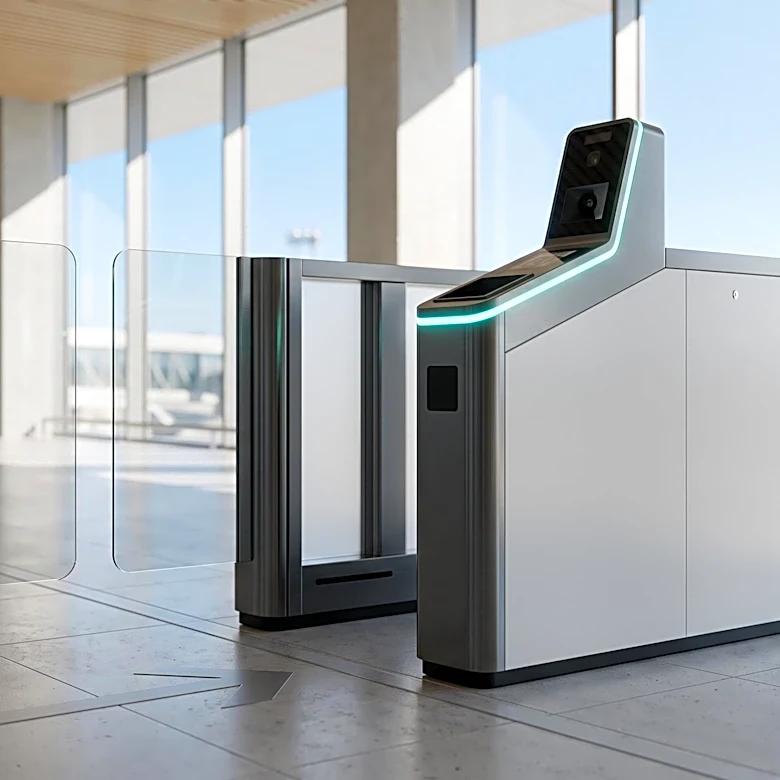
Messner's proposal calls for a collaborative effort among South Tyrol, Trentino, and Belluno to implement the slot system across the entire Dolomites. The next steps would likely involve discussions and negotiations among these regional authorities to develop a unified strategy. While Messner clarifies that the system is not primarily about generating revenue, he acknowledges that tickets would need to be purchased to cover operational costs, with proceeds potentially benefiting local farmers who maintain the cultural landscape. The success of this initiative would depend on the willingness of these regions to overcome administrative hurdles and agree on a common framework. If adopted, the system would require technological infrastructure, possibly leveraging artificial intelligence as Messner suggested, to manage ticket sales and real-time capacity monitoring. Public awareness campaigns would also be necessary to inform tourists about the new system and encourage them to plan their visits accordingly, potentially shifting travel patterns within the region.
Beyond the Headlines
The 'slot system' proposal for the Dolomites touches upon deeper ethical and cultural dimensions of tourism. Messner's criticism of the 'Tourist go home' slogan underscores a recognition that local communities are often complicit in the development of overtourism, highlighting a shared responsibility rather than solely blaming visitors. This initiative could foster a more respectful and sustainable relationship between tourists and host communities, moving beyond mere economic transactions to a model that values environmental and cultural preservation. The idea of directing proceeds to local farmers who maintain the landscape also suggests a re-evaluation of who benefits from tourism and how these benefits can be reinvested into the very assets that attract visitors. This could lead to a broader discussion about the true cost of tourism and the need for innovative funding models that support local stewardship. Furthermore, the use of AI for managing access raises questions about data privacy and the potential for algorithmic bias in tourism management, which would need careful consideration.