






What's Happening?
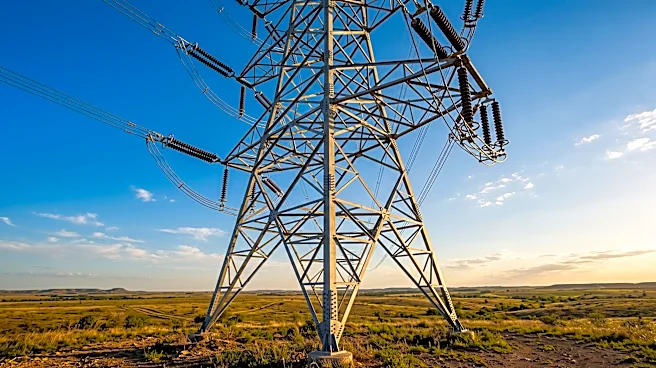
The Public Utility Commission of Texas (PUCT) has decided not to reconsider rehearing motions for Oncor's Dinosaur to Drill Hole 765-kilovolt transmission line, effectively finalizing its approval. This decision was made after commissioners voted not to add
the rehearing requests to any open meeting agenda, allowing them to expire. According to attorney Connor Ellington, this means the approval will become final, and any further challenges would need to be pursued in court. The Dinosaur to Drill Hole line, spanning approximately 390 miles, is a crucial component of the Strategic Transmission Expansion Plan (STEP) Permian. This broader plan proposes three 765-kV transmission lines totaling over 1,200 miles, designed to transport electricity from East Texas to the natural gas-rich Permian Basin. The PUCT's decision comes despite previous calls from lawmakers and affected landowners to pause the project until after the 2027 legislative session. Two other STEP Permian 765-kV lines are still awaiting final decisions, with one having its rehearing motions extended and the other remanded to the State Office of Administrative Hearings.
Why It's Important?
The final approval of Oncor's 765-kV transmission line is a significant development for Texas's energy infrastructure, particularly for the Permian Basin, a critical natural gas-producing region. This project aims to enhance electricity reliability and capacity in an area experiencing rapid growth and increased demand. By facilitating the movement of electricity from East Texas, it supports the energy needs of the Permian Basin, which is vital for both state and national energy supplies. However, the decision also highlights ongoing tensions between regulatory bodies, legislative input, and landowner concerns. The PUCT's move to finalize approval despite legislative calls for a pause underscores the independent authority of the commission in infrastructure development. This could set a precedent for future large-scale energy projects in Texas, potentially streamlining approvals but also intensifying legal challenges from opposition groups. The project's completion is expected to bolster the state's energy grid, but it also raises questions about the balance between economic development, environmental impact, and local community interests.
What's Next?
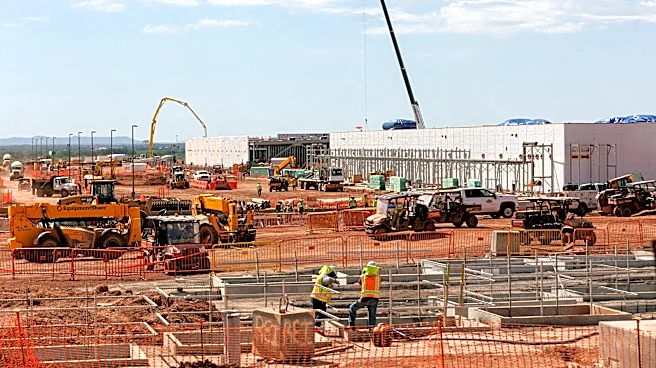
With the PUCT's approval of the Dinosaur to Drill Hole line becoming final, the next phase will likely involve Oncor proceeding with the project's development, including continued engagement with landowners along the approved routes. Any further opposition to this specific line will now shift to the courts in Austin. Meanwhile, the fate of the other two STEP Permian 765-kV lines remains uncertain. The Howard to Solstice line, for which rehearing motions have been extended, will require further consideration by the PUCT. The third line, involving Oncor and the Lower Colorado River Authority Transmission Services Corporation, is in a holding pattern after its Bell County East to Big Hill segment was remanded. Beyond STEP Permian, the next phase involves an eastern backbone of 765-kV transmission lines, with projects like the Hillje to Blu Lacy Transmission Improvement Project already holding open houses. These ongoing developments indicate a sustained effort to expand Texas's high-voltage transmission network to meet future energy demands, particularly from the Panhandle's wind and solar resources.
Beyond the Headlines
This decision by the PUCT reflects a broader trend in energy policy where the imperative to upgrade and expand critical infrastructure often clashes with local opposition and political pressures. The approval of such a high-capacity line underscores the state's commitment to ensuring energy reliability and supporting its vital oil and gas industry, even in the face of significant pushback. The legal avenues now open to opponents highlight the complex interplay between administrative decisions, judicial review, and public advocacy in large infrastructure projects. Furthermore, the ongoing expansion of 765-kV lines signifies a long-term strategic vision for Texas's energy future, aiming to integrate diverse energy sources and ensure robust transmission across vast distances. This could lead to significant economic benefits for the state but also necessitates careful consideration of land use, environmental impacts, and equitable compensation for affected communities. The outcome of future legal challenges and the progress of the remaining STEP Permian lines will be closely watched as indicators of how Texas balances its energy ambitions with stakeholder concerns.