


What's Happening?
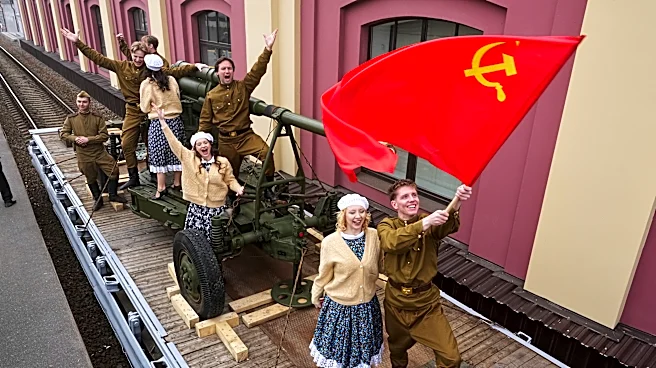
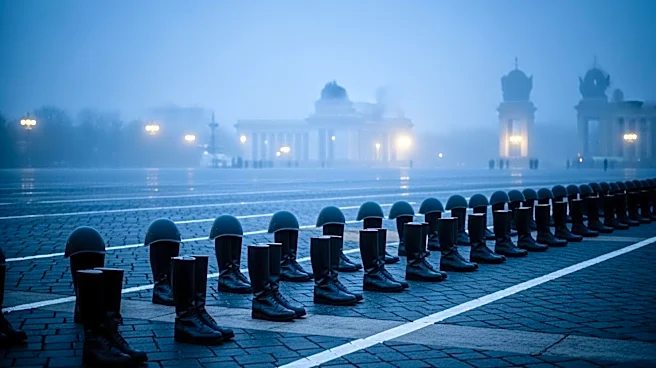
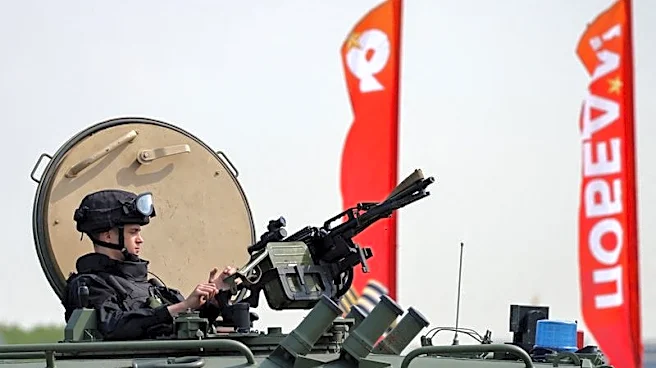
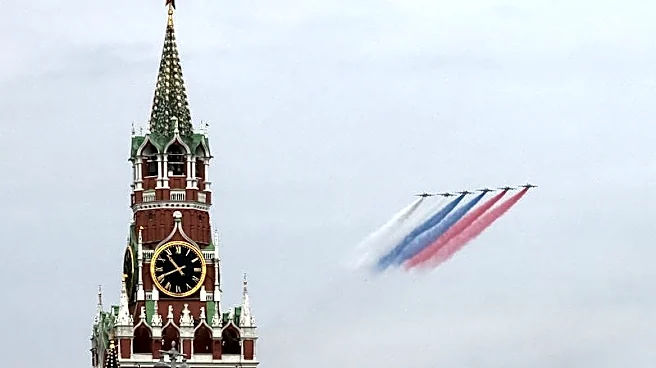
Moscow's Victory Day parade, traditionally a grand display of military power, is set to be a scaled-down event this year. The Kremlin has cited 'current operational situation' as the reason for the absence of military vehicles and cadets. The guest list
is notably short, with only a few international leaders, such as Laos President Thongloun Sisoulith and Malaysian Supreme Ruler Sultan Ibrahim, expected to attend. Slovak Premier Robert Fico, initially expected, has confirmed he will not be present. The parade occurs under heightened security due to potential threats from Ukraine, which has led to restrictions on mobile internet and text messaging services in Moscow. The mood in the city is subdued, with residents expressing a desire for the ongoing conflict to end.
Why It's Important?
The reduced scale of the Victory Day parade highlights the growing isolation of Russia on the international stage, particularly following its actions in Ukraine. The absence of Western leaders, who once attended these events, underscores the strained relations between Russia and the West. This isolation could have significant implications for Russia's diplomatic and economic engagements globally. The heightened security measures reflect the ongoing tensions and the potential for conflict escalation, impacting regional stability. The parade's diminished attendance also signals a shift in how Russia's military might is perceived, both domestically and internationally.
What's Next?
The immediate future may see continued diplomatic tensions as Russia navigates its international relationships amid ongoing conflicts. The Kremlin's focus will likely remain on internal security and managing its image both domestically and abroad. The absence of key international figures at the parade could prompt Russia to reassess its diplomatic strategies. Additionally, the potential for further Ukrainian responses or actions could influence Russia's military and political decisions in the coming months.