


What's Happening?
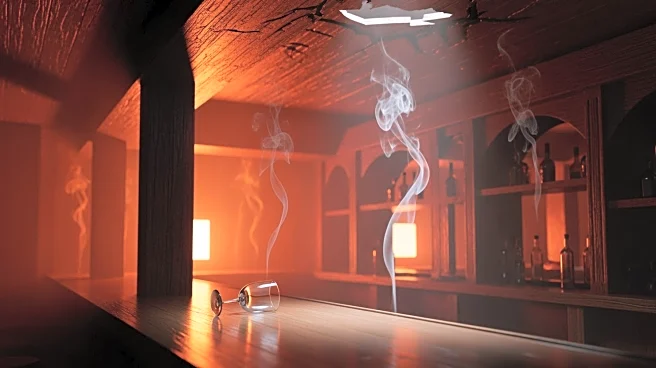
A devastating fire broke out at the Le Constellation bar in Crans-Montana, Switzerland, on New Year's Eve, resulting in the deaths of approximately 40 individuals and injuring around 115 others. The fire, which started at about 1:30 a.m. local time on January
1, is believed to have been caused by sparkling candles attached to champagne bottles. These candles reportedly ignited the wooden ceiling, leading to a rapid spread of flames. The phenomenon responsible for the swift spread is known as a flashover, where the sudden ignition of all combustible materials in a room occurs, reaching temperatures up to 1,000 degrees Fahrenheit. This type of fire can develop within three to five minutes, leaving little time for escape. The incident is under investigation, with officials examining whether the ceiling's insulation foam contributed to the fire's rapid spread.
Why It's Important?
The tragic incident highlights the dangers associated with indoor pyrotechnics and the potential for rapid fire spread in enclosed spaces. The concept of a flashover is critical for understanding fire safety, as it underscores the importance of recognizing early warning signs and implementing preventive measures in public venues. This event serves as a stark reminder for establishments worldwide, including those in the U.S., to reassess safety protocols and ensure compliance with fire safety regulations. The loss of life and injuries sustained emphasize the need for stringent safety measures and the potential consequences of neglecting them. The incident could lead to increased scrutiny and regulatory changes in fire safety standards, particularly in venues that use decorative pyrotechnics.
What's Next?
Investigators are continuing to examine the circumstances surrounding the fire, including the role of the ceiling's insulation foam in the rapid spread of flames. The findings could influence future fire safety regulations and building codes, particularly concerning the use of pyrotechnics in enclosed spaces. There may be calls for stricter enforcement of existing safety standards and the introduction of new guidelines to prevent similar tragedies. Additionally, public awareness campaigns about the dangers of flashovers and fire safety education could be initiated to enhance preparedness and response in emergency situations.