






What's Happening?
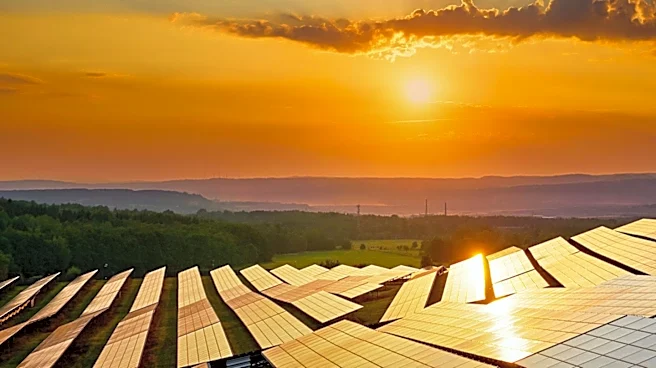
Marlboro County, South Carolina, is moving forward with tax incentive agreements for two proposed solar farms in the Wallace area. The County Council approved the second reading of fee-in-lieu-of-taxes (FILOT) agreements for Violet Solar LLC, a 442-acre
project by Strata Energy, and Pivot Energy SC 30 LLC, a 100-acre project acquired by Energy Capital Partners. These agreements, which require a third and final reading for approval, are projected to generate nearly $475,000 annually for the county over 30 years. The funds will be distributed among local entities, with 75% allocated to the county’s general fund. Simultaneously, the County Council approved a four-month moratorium on new solar farm applications. This temporary pause is intended to allow county leaders to review existing zoning regulations and ordinances related to solar energy systems and wind farms, which were adopted in August 2021 and include requirements for property setbacks, vegetative buffers, and decommissioning plans.
Why It's Important?
This development in Marlboro County highlights the complex interplay between local economic development, renewable energy expansion, and regulatory oversight in the U.S. The approval of tax incentive agreements for solar farms demonstrates a commitment to attracting clean energy investments, which can provide significant long-term revenue streams for local governments. The projected annual revenue of nearly $475,000 over 30 years could substantially support public services like EMS, fire, and schools, and contribute to the county’s general fund. This is particularly important for areas seeking to improve economic infrastructure and attract industries that may have specific electrical capacity needs. However, the simultaneous moratorium on new applications signals a cautious approach, reflecting concerns about the rapid proliferation of solar projects and the need to ensure that existing regulations adequately address potential impacts on land use, community aesthetics, and environmental considerations. This balancing act is crucial for sustainable growth and maintaining public trust in renewable energy initiatives.
What's Next?
The two proposed solar farm projects in Marlboro County will proceed to a third and final reading for their FILOT agreements, after which they could receive full approval. County Attorney Andrew McLeod is actively researching the implications of potential company bankruptcies on these agreements, indicating a proactive effort to mitigate financial risks for the county. Concurrently, the four-month moratorium on new solar farm applications will provide a critical period for county leaders to thoroughly review and potentially revise existing zoning regulations and ordinances. This review will likely focus on ensuring that future solar projects align with the county’s long-term development goals, address community concerns, and maintain environmental standards. The outcome of this regulatory review could influence the future pace and nature of solar energy development in Marlboro County, potentially leading to more stringent requirements or clearer guidelines for new projects. Stakeholders, including solar developers and local residents, will be closely watching these developments.
Beyond the Headlines
The actions in Marlboro County reflect a broader national trend where local governments grapple with the rapid expansion of renewable energy projects. While solar farms offer economic benefits and contribute to clean energy goals, they also raise questions about land use, agricultural preservation, and the long-term impact on rural communities. The concern about company bankruptcy and its effect on FILOT agreements underscores the need for robust legal frameworks to protect public interests in long-term infrastructure projects. This situation also highlights the evolving role of local governance in shaping the energy transition, as counties and municipalities increasingly take on the responsibility of balancing national energy objectives with local community needs and environmental stewardship. The moratorium period offers an opportunity for Marlboro County to develop a more comprehensive and sustainable strategy for renewable energy integration, potentially setting a precedent for other communities facing similar challenges. This proactive regulatory approach could lead to more resilient and community-aligned clean energy development.