





What's Happening?
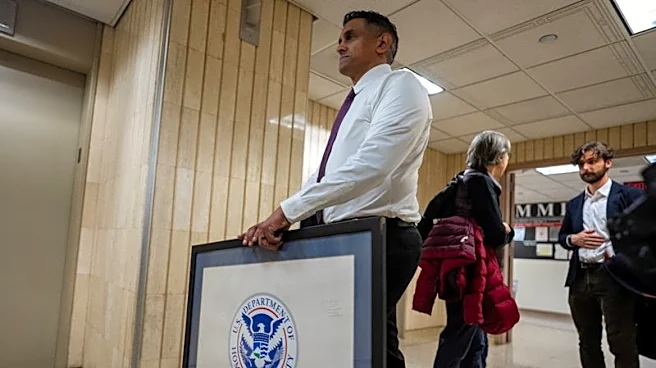
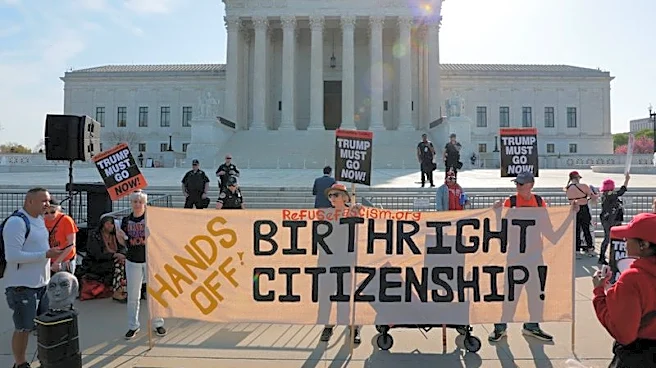
The U.S. Supreme Court is set to hear oral arguments regarding the Trump administration's efforts to terminate Temporary Protected Status (TPS) for immigrants from Haiti and Syria. This program, which allows individuals from countries experiencing armed
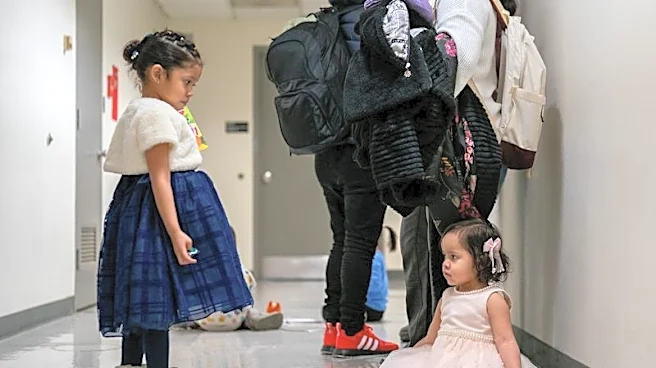
conflict or natural disasters to live and work in the U.S., currently affects approximately 350,000 immigrants from these nations. The broader implications could impact around 1.3 million people from 17 countries, including Afghanistan, El Salvador, and Venezuela. The administration's move to end TPS has sparked concern among immigrants and advocates, who argue that the program provides essential protection and stability for those affected. The cases being heard, Mullin v. Dahlia Doe and Trump v. Miot, focus on the legality of the administration's decision and its potential to shift long-standing legal precedents.
Why It's Important?
The outcome of this Supreme Court case could significantly alter U.S. immigration policy and the balance of power between legislative and executive branches. If the court sides with the administration, it could grant the executive branch greater discretion to terminate TPS without congressional oversight, affecting the lives of hundreds of thousands of immigrants who contribute to the U.S. economy and society. TPS holders often fill critical roles in various sectors, including healthcare and education. The decision could also set a precedent for future administrations, potentially leading to more restrictive immigration policies. This case highlights the ongoing debate over immigration reform and the humanitarian responsibilities of the U.S.
What's Next?
The Supreme Court's decision will likely influence future immigration policy and the legal framework governing TPS. If the court rules in favor of the administration, it may embolden efforts to further restrict immigration programs. Conversely, a decision against the administration could reinforce the need for legislative involvement in immigration decisions. The case also comes amid legislative efforts to extend TPS protections, though such measures face significant opposition in the Senate and a potential presidential veto. The outcome will be closely watched by policymakers, immigrant communities, and advocacy groups, as it will shape the future of U.S. immigration policy.